TEU Global
  • Home
  • About Us
  • Services
    • Ocean Freight Shipping
    • US Handling Agent
    • Canada Handling Agent
    • Freight Forwarding
    • Customs Clearance
    • Cargo Insurance
    • Drayage & Domestic Truck Delivery
    • Warehousing and Distribution
    • Purchase Order Management
    • Logistics Consultants
    • Customs Compliance Coaching
  • Resources
    • Payments
    • FAQs
    • Downloads
    • Knowledge Hub
    • Newsletter
  • Contact Us
  • Blog

Type To Search

Get a Quote
TEU Global
  • Home
  • About Us
  • Services
    • Ocean Freight Shipping
    • US Handling Agent
    • Canada Handling Agent
    • Freight Forwarding
    • Customs Clearance
    • Cargo Insurance
    • Drayage & Domestic Truck Delivery
    • Warehousing and Distribution
    • Purchase Order Management
    • Logistics Consultants
    • Customs Compliance Coaching
  • Resources
    • Payments
    • FAQs
    • Downloads
    • Knowledge Hub
    • Newsletter
  • Contact Us
  • Blog

Type To Search

Get a Quote
  • Home
  • About Us
  • Services
    • Ocean Freight Shipping
    • US Handling Agent
    • Canada Handling Agent
    • Freight Forwarding
    • Customs Clearance
    • Cargo Insurance
    • Drayage & Domestic Truck Delivery
    • Warehousing and Distribution
    • Purchase Order Management
    • Logistics Consultants
    • Customs Compliance Coaching
  • Resources
    • Payments
    • FAQs
    • Downloads
    • Knowledge Hub
    • Newsletter
  • Contact Us
  • Blog
teu global logo dark
  • Home
  • About Us
  • Services
    • Ocean Freight Shipping
    • US Handling Agent
    • Canada Handling Agent
    • Freight Forwarding
    • Customs Clearance
    • Cargo Insurance
    • Drayage & Domestic Truck Delivery
    • Warehousing and Distribution
    • Purchase Order Management
    • Logistics Consultants
    • Customs Compliance Coaching
  • Resources
    • Payments
    • FAQs
    • Downloads
    • Knowledge Hub
    • Newsletter
  • Contact Us
  • Blog
Author: TEU Global Editorial Team
HomeTEU Global Editorial TeamPage 2
ecommerce logistics
Logistics
September 5, 2025 By TEU Global Editorial Team

Ecommerce Logistics: Why It’s the Real Game Changer in Online Shopping

The Part of Online Shopping Nobody Sees

When you hit that “buy now” button, you probably imagine your package getting packed and shipped right away. What most shoppers never think about is the maze behind the scenes that makes it all happen. That’s ecommerce logistics, and without it, online retail would collapse overnight.

At TEU Global, we’ve worked with countless businesses that underestimated just how important logistics is. They quickly learn that fast shipping and accurate delivery are not perks anymore. They’re the baseline for keeping customers happy and loyal.

Warehousing in Ecommerce Logistics

Warehousing: More Than Storage

People picture warehouses as giant boxes stuffed with goods, but in Ecommerce Logistics, they’re more like the control center. A warehouse in the wrong place can add days to a delivery. Put one near a hub like Dallas or Chicago, and suddenly your delivery times shrink.

Big players like Amazon figured this out long ago, which is why they have fulfillment centers everywhere. Smaller businesses don’t always have that luxury, so they use partners like TEU Global to place inventory closer to their customers. That way, even a local brand can compete with giants on speed.

The Fulfillment Experience Matters

Think about the last time you ordered something online. Did it arrive on time? Was the packaging neat, or did it look like someone rushed it? That first impression matters a lot. Fulfillment isn’t just moving boxes. It’s about showing the customer you care about their order.

Our team at TEU Global uses tools that track every order step by step. It sounds simple, but customers really notice when things go smoothly. One late or incorrect order can erase months of trust, and nobody wants that.

Last-Mile Delivery: The Toughest Stretch

Ask anyone in logistics, and they’ll tell you the last mile is the hardest part. Getting a package across states is usually easier than delivering it across a crowded city. Traffic, weather, and missed addresses cause most delays right before the finish line.

Customers in New York or Los Angeles don’t want excuses, though. They expect same-day or next-day service. That’s why we put a lot of focus on this stage at TEU Global’s transportation services. The last mile is where customers really decide if they’ll shop with you again.

Returns: Turning a Problem Into an Advantage

Nobody likes dealing with returns, but let’s be honest, they’re part of Ecommerce Logistics. Maybe the product didn’t fit, or maybe the customer changed their mind. What matters is how easy the return process is.

Companies that handle returns well often turn unhappy buyers into loyal fans. That’s the power of Reverse Logistics. Instead of treating returns as a headache, smart businesses use them to build trust. Think of Amazon again; their return policy is one of the reasons people shop there so often.

Tech Behind Ecommerce Logistics

These days, technology runs almost every part of logistics. From AI predicting holiday shopping spikes to GPS giving customers live tracking, tech is everywhere. Warehouses are now filled with automation that makes picking and packing faster and less prone to mistakes.

But here’s the thing: technology is only part of the answer. Customers still want human attention and care. At TEU Global, we use the best systems available, but we also make sure real people are overseeing the process. That balance matters.

The Push Toward Green Logistics

More shoppers care about sustainability now. They look for packaging that isn’t wasteful and delivery services that don’t pollute as much. Companies are slowly catching up. Some are using recyclable materials, others are experimenting with electric vehicles for deliveries.

Even small steps make a difference. Optimizing delivery routes saves fuel, and it also shows customers you’re serious about reducing your footprint. These choices aren’t just about the planet; they’re also about winning customer loyalty in a crowded market.

Quick Breakdown of Key Elements

Part of LogisticsWhy It MattersWhat It Delivers to Business
WarehousingKeeps products ready and close to customersCuts delivery times
FulfillmentEnsures correct picking and packingBuilds customer trust
Last-Mile DeliveryFinal handoff to the customerImproves satisfaction
Returns (Reverse)Makes exchanges and refunds smoothEncourages repeat sales
TechnologyAdds speed and visibilityLowers errors and costs
SustainabilityReduces environmental impactStrengthens brand image

Logistics as the Growth Engine

Ecommerce Logistics doesn’t get the same spotlight as flashy websites or big ad campaigns, but it’s the real engine behind growth. A boutique in Dallas can now serve customers in Vancouver because of efficient supply chains.

At TEU Global, we’ve seen how a strong logistics strategy transforms a business. From better inventory control to faster delivery, logistics is the difference between being average and being the brand customers rave about.

Wrapping It Up

Ecommerce Logistics might feel invisible to most shoppers, but it defines the ecommerce experience. From warehouses to last-mile delivery, every step matters. The companies that invest in this part of their business don’t just deliver packages. They deliver trust, reliability, and reasons for customers to return.

If you’re aiming to grow in today’s ecommerce world, logistics isn’t optional. It’s the foundation. And with the right partner, like TEU Global, your business can scale faster, reach more markets, and keep customers coming back.

READ MORE
AdobeStock_441512289
Logistics
September 3, 2025 By TEU Global Editorial Team

International Logistics: TEU Global’s Take on Connecting Markets Worldwide

Introduction to International Logistics

If you’ve ever ordered something from another country, you’ve already been part of the International Logistics chain. Maybe it was a phone made in Asia that showed up at your door in Toronto. Or maybe it was furniture from Europe that eventually found its way into a showroom in New York. Behind every delivery, there’s a system working quietly to keep trade moving.

At TEU Global, that system is what we handle every day. To us, logistics isn’t just about cargo containers and customs forms. It’s about solving problems, connecting businesses, and making sure customers get what they need without wondering how it all came together.

Why International Logistics Really Matters

Global trade is booming, and logistics is the engine that keeps it running. Without it, shelves would sit empty, manufacturers would run short on materials, and customers would wait endlessly for orders that never arrive.

Think of it this way: a small business in Dallas can now sell its handmade goods to customers in Paris. None of this would be possible without reliable logistics bridging the distance.

When shipments move smoothly, businesses grow. When they don’t, frustration sets in fast. That’s why companies put so much trust in logistics providers like TEU Global.

The Building Blocks of International Logistics

The world of logistics can look complicated, but at its core, it revolves around a few main pieces.

  • Transport Modes
    Sea freight is the best choice for moving big volumes at a lower cost. Air freight is faster but pricier and reserved for urgent shipments. Trucks and rail fill the gap, connecting ports with inland cities like Chicago or Montreal.
  • Customs and Paperwork
    Borders don’t open for free. Every shipment needs documents, approvals, and compliance checks. A missing stamp or the wrong detail can hold up cargo for days. That’s why having an experienced partner matters.
  • Warehousing and Distribution
    Goods don’t always go straight from ship to shelf. Warehouses close to ports in cities like Los Angeles or Vancouver allow for storage, sorting, and quicker local deliveries.
  • Technology and Tracking
    These days, no one wants to be left in the dark. Tracking platforms let businesses follow their shipments in real time, giving them peace of mind.

The Challenges Nobody Likes to Talk About

international logistics airport

Let’s face it: International Logistics is not always smooth sailing. Ports get congested. Fuel prices jump overnight. A labor strike in Rotterdam can throw off schedules for weeks. Regulations change, and suddenly what worked yesterday no longer applies today.

And then there are the unpredictable events: storms, political tensions, and even global pandemics. They remind us how fragile supply chains can be. At TEU Global, we’ve learned that flexibility is the only way forward. Planning matters, but so does adapting when the unexpected happens.

Sustainability: Changing the Way We Ship

It’s impossible to ignore the environmental side of International Logistics anymore. Customers want greener options, and governments are tightening rules on emissions. Shipping lines are testing cleaner fuels, trucking companies are turning to electric vehicles, and packaging strategies are shifting to reduce waste.

At TEU Global, we’re not waiting on the sidelines. We’re actively working with partners who invest in sustainable practices. It’s not only good for the planet, but it also builds trust with clients who want their supply chains to reflect their values.

Technology’s Growing Influence

The days of shipping blind are gone. Technology has turned logistics and International Logistics into a transparent, data driven system. Artificial intelligence can now predict delays. Blockchain keeps trade documents secure. Automation speeds up work inside warehouses.

For businesses, this isn’t just about being trendy it’s about staying competitive. At TEU Global, we integrate these tools so our clients can focus on their business instead of worrying about what’s happening at a port halfway across the world.

Why Companies Partner with TEU Global

Every shipment tells a story. Sometimes it’s a Canadian retailer sending goods to customers in Mexico City. Other times it’s a U.S. manufacturer sourcing parts from Germany. Each case comes with different needs, rules, and challenges.

That’s why at TEU Global, we don’t believe in one-size-fits-all solutions. We take the time to understand what each client really needs. From customs paperwork to multimodal transport plans, we tailor services that actually make sense for the business.

And because we’ve built strong relationships with carriers, port operators, and warehouses around the world, we can often solve problems faster than others.

The Payoff of Getting Logistics Right

Good logistics doesn’t just save money; it creates opportunities. Companies that manage logistics well can:

  • Lower their overall shipping costs.
  • Reach international markets faster.
  • Build supply chains that hold up under pressure.
  • Deliver on promises, winning customer loyalty.

Picture a furniture seller in Chicago. Without logistics, selling to buyers in London might sound impossible. But with the right planning, that same seller can deliver to Europe in weeks and keep costs competitive.

Looking Ahead at Global Trade
The logistics industry isn’t standing still. Automation, digital tools, and sustainability are rewriting the rules. Businesses that adapt will thrive. Those that don’t may find themselves left behind.

TEU Global is preparing for this future by investing in the right technologies and greener solutions. We want our clients to be ready for what comes next, whether it’s new trade routes, stricter regulations, or smarter ways of moving goods.

Conclusion

International logistics is the bridge that connects businesses with the world. It keeps supply chains alive and customers satisfied. At TEU Global, we’ve built our reputation on reliability, adaptability, and forward-thinking strategies.

The world won’t stop trading, and goods won’t stop moving. The question is whether businesses have the right partner to guide them through the journey. TEU Global is ready to be that partner.

READ MORE
AdobeStock_1464832455
Logistics
August 27, 2025 By TEU Global Editorial Team

Fulfillment Warehouses: Why They Matter for Growing Businesses

At TEU Global, we often remind clients that a fulfillment warehouse is not just about storing goods. It’s where the real work of customer satisfaction begins. Every order, whether it’s a single book for a college student in Boston or a pallet of electronics headed to retailers in Texas, passes through some type of warehouse before reaching the buyer. The speed, accuracy, and reliability of that process can either strengthen or damage a brand’s reputation.

What Makes a Fulfillment Warehouse Different?

Most people imagine a warehouse as a big building full of shelves and boxes. That’s part of it, but in logistics today, fulfillment means handling the full order cycle. It starts when inventory is received, continues with storage and tracking, and ends only when the shipment leaves for the customer.

Take a small e-commerce shop as an example. Let’s say they sell fitness gear online. If they try to manage fulfillment themselves, they spend hours packing boxes, labeling shipments, and answering questions about delivery delays. Once they move to a fulfillment warehouse, that entire process becomes smoother. Orders are picked and packed with scanning tools, stock updates automatically in their online store, and shipments go out with the right carrier every time.

Why Accuracy and Speed Are Critical

In today’s market, customers expect fast delivery, and they don’t forgive mistakes easily. If someone orders a winter jacket from a brand in December, they don’t want to hear that it’s out of stock a week later. They want that jacket on their doorstep in two days.

A fulfillment warehouse helps companies avoid those headaches. With proper inventory systems, stock counts are updated in real time. That means no overselling. With efficient picking and packing, mistakes like sending the wrong size or wrong item are reduced. And by shipping through established carrier networks, transit times are faster.

For businesses, this isn’t just about meeting expectations it’s about staying competitive.

Supporting Business Growth

Plenty of companies start by handling logistics in-house. Packing orders in the office works when sales are low. But as soon as volumes grow, the system starts to break.

Imagine a toy company in Toronto. During the holiday season, their orders triple. Without warehouse support, that spike in demand leads to late shipments and unhappy customers. A fulfillment warehouse, on the other hand, is designed to handle those peaks. It scales up quickly, with staff and systems ready for busy periods.

This ability to adapt is what allows small and mid-size businesses to grow without losing control of operations.

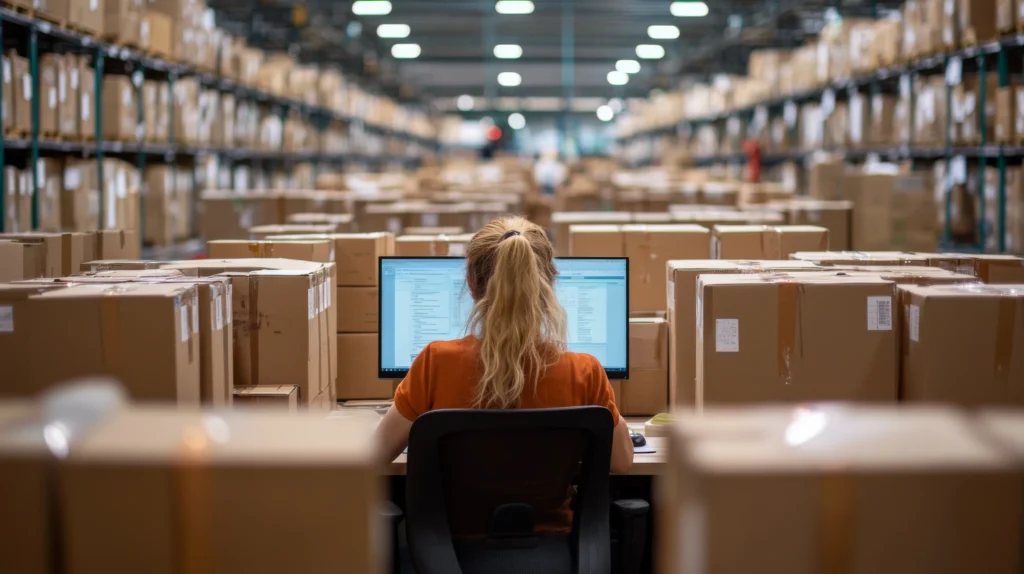
fulfillment warehouse personal

Technology Inside a Fulfillment Warehouse

Modern warehouses don’t rely on paper logs anymore. They use:

  • Warehouse Management Systems (WMS): to track inventory and integrate with e-commerce platforms.
  • Barcode scanners: to prevent mistakes in picking and packing.
  • Data reporting tools: so businesses can see exactly how much stock they have, where it is, and how orders are moving.

At TEU Global, we combine this technology with logistics expertise, making sure businesses not only store their goods but also gain visibility and control over their supply chain.

How to Choose a Warehouse Partner

Not every warehouse offers the same level of service. Some only provide storage, while others take care of the entire fulfillment process. When evaluating a partner, businesses should look at:

  • Location – close proximity to major customer markets means faster shipping.
  • Integration – the ability to connect with online platforms like Shopify or Amazon.
  • Support – a team that can resolve issues quickly when they arise.
  • Global reach – for companies looking to expand beyond borders, international logistics knowledge is key.

TEU Global provides more than warehousing. We connect ocean freight, air freight, customs, and fulfillment, giving companies a seamless end-to-end solution.

Real-World Impact

A bookstore in Seattle. A fashion retailer in New York. A subscription coffee business in  California. Each one relies on fulfillment to keep customers happy. If a single link in the process breaks like an item being mislabeled or a shipment being delayed, the customer notices immediately.

That’s why businesses trust logistics partners. Customers rarely see the warehouse side of operations, but they always see the results when orders arrive on time and in perfect condition.

FAQs

1. What is the role of a fulfillment warehouse?
It handles inventory, order processing, and shipping so businesses can focus on sales and growth.

2. How is it different from a standard warehouse?
A standard warehouse is mostly storage. A fulfillment warehouse manages the full order cycle, including packing and shipping.

3. Do small businesses benefit from fulfillment services?
Yes. They save time, reduce costs, and improve their ability to meet customer expectations.

4. Can fulfillment warehouses handle international shipments?
Yes. At TEU Global, for example, we provide customs clearance and global delivery support.

5. What industries use fulfillment warehouses the most?
E-commerce, retail, fashion, beauty, consumer goods, and subscription services.

Final Thoughts

At TEU Global, we see fulfillment warehouses as the backbone of customer satisfaction. Whether it’s handling seasonal peaks, managing global shipping, or simply making sure the right item arrives at the right doorstep, fulfillment keeps businesses moving forward.

For companies looking to expand without overwhelming their operations, a reliable fulfillment partner makes the journey smoother.

READ MORE
Cold Chain Logistics
Logistics
August 22, 2025 By TEU Global Editorial Team

What Is Cold Chain Logistics And Why It Matters?

If you’ve ever bitten into a perfectly ripe strawberry in the middle of winter, you’ve already experienced the magic of cold chain logistics even if you didn’t realize it. At TEU Global, we work behind the scenes to make those everyday moments possible. For us, it’s not just about moving containers. It’s about keeping fragile products alive and safe while they cross thousands of miles.

What Cold Chain Really Means

Let’s keep it simple. Cold Chain Logistics is about protecting temperature-sensitive goods from the moment they leave the producer until they reach the customer. That could mean frozen fish sailing across the Pacific, life-saving medicine flying into a Canadian hospital, or flowers shipped from South America to brighten up homes in New York.

The “chain” part is important. Every link matters. If one truck, one warehouse, or even one power system fails, the chain breaks. And when that happens, the product is often unsalvageable.

Why the Stakes Are So High

The global demand for fresh and frozen goods has exploded in the past decade. People want year-round access to produce, and healthcare systems rely on vaccines and biologics that are useless if the temperature fluctuates. According to the Food and Agriculture Organization, nearly 14% of the world’s food is lost between harvest and retail and poor temperature control is a big part of the problem.

In the pharmaceutical world, the situation can be even more critical. The World Health Organization has warned repeatedly that broken cold chains can render vaccines ineffective. Imagine millions of doses going to waste simply because one link in the system wasn’t strong enough.

How the System Works

Behind the scenes, cold chain logistics is a careful choreography.

  • Pre-cooling: Goods must be cooled before loading. Warm products placed into a refrigerated truck won’t cool fast enough, and spoilage begins immediately.
  • Reefer transport: Specialized containers or trucks with their own cooling units keep temperatures stable. These are constantly checked during transit.
  • Cold storage hubs: Facilities along the way act like pit stops, keeping goods safe until the next transport stage.
  • Last mile delivery: The toughest part. Getting fresh groceries or vaccines from a distribution center to the final customer, often within tight timelines, leaves little room for error.

The Hidden Challenges

You might think the job is simply “keep it cold,” but anyone in logistics knows that’s only half the battle. Traffic jams, customs delays, driver shortages, and even something as small as a door not sealing properly can undo everything.

Then there’s the environmental impact. Cold chain systems are energy-hungry. Reefers and warehouses use a lot of power, and sustainability is now at the forefront of discussions. Solar-assisted reefers, smart insulation, and eco-friendly refrigerants are some of the innovations making their way into the industry.

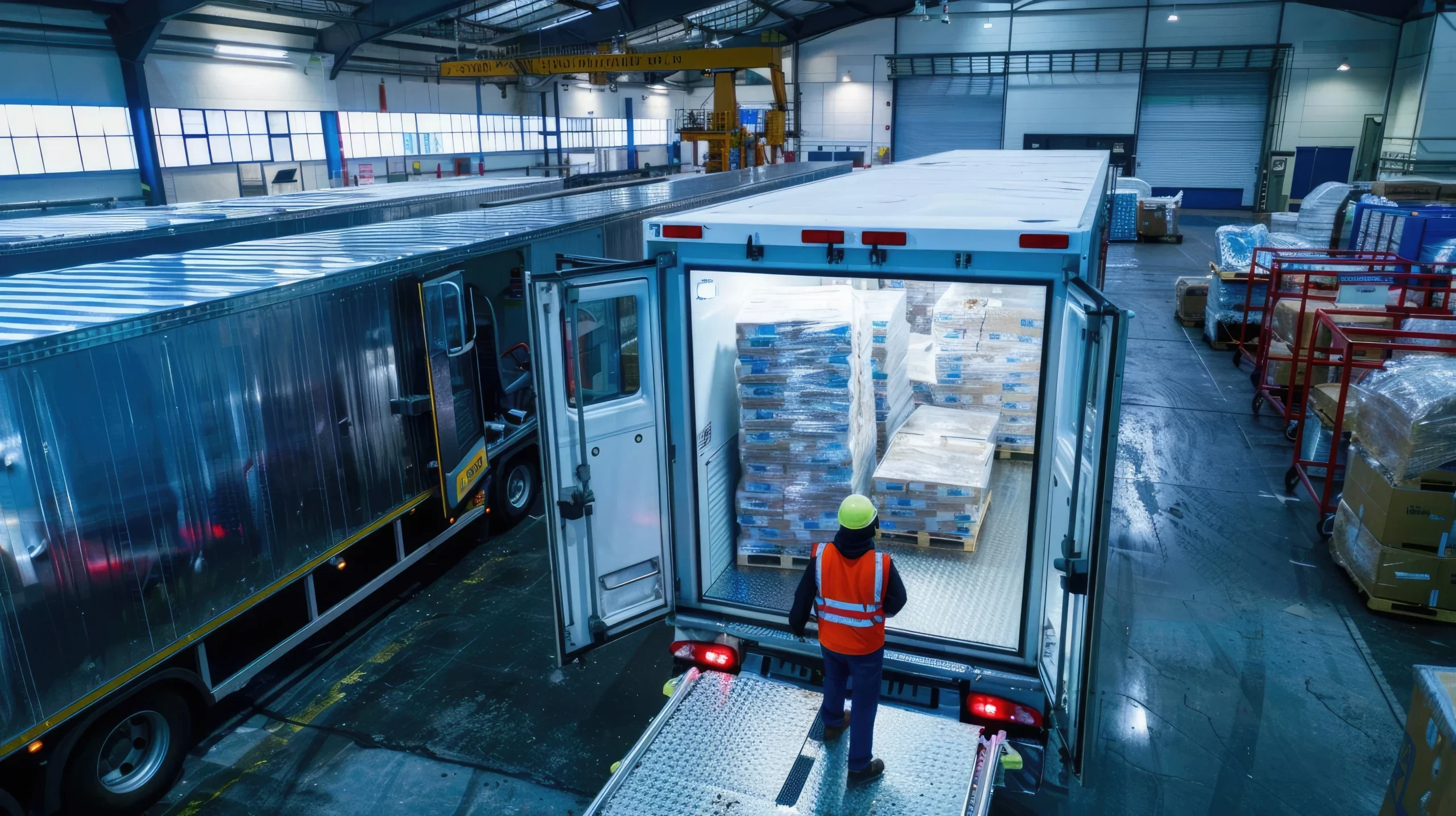
Cold Chain Logistics Refrigeration

Looking Ahead

The future of the cold chain is moving in two directions at once: higher demand and tighter requirements. Food exports are increasing, and advanced medicines like biologics need even stricter handling than vaccines. That means logistics companies must raise their game.

Digital monitoring is already changing the industry. At TEU Global, we’ve been integrating IoT sensors that let shippers track their cargo in real time. Imagine being able to check your vaccine shipment’s temperature from a phone that’s the level of transparency customers now expect.

Our Approach at TEU Global

We see Cold Chain Logistics as more than a service. It’s a responsibility. When we’re trusted with food, medicine, or any sensitive cargo, we know what’s at stake. Families, patients, and businesses are depending on us. That’s why we emphasize planning, transparency, and technology in everything we do.

We also understand that not all products need the same conditions. Some goods require deep-frozen environments, while others only need consistent cool air. Matching the right equipment and storage to each shipment is part of our expertise. Businesses can learn more about our approach on our TEU Global Services page.

Wrapping Up

Most people never see the work that goes into keeping strawberries fresh in January or vaccines viable across oceans. But at TEU Global, we live it every day. Cold chain logistics is about trust, precision, and responsibility. It’s about making sure that what starts fresh, ends fresh.

FAQs

1. Which industries rely most on cold chain logistics?
Food, agriculture, pharmaceuticals, and healthcare top the list. Flowers and chemicals also depend on temperature control.

2. How does TEU Global protect sensitive cargo?
We use real-time monitoring, partnerships with vetted cold storage facilities, and contingency planning to prevent disruptions.

3. What are the biggest risks to cold chain shipments?
Delays, power failures, and equipment breakdowns. Human error like leaving a door open is also a common cause.

4. Is cold chain logistics sustainable?
The industry is improving. Energy-efficient reefers, renewable-powered warehouses, and smarter packaging are leading the way.

5. How can a company get started with TEU Global’s cold chain services?
It starts with understanding product needs. From there, we design a tailored logistics solution. Reach out to us at TEU Global to begin.

READ MORE
AdobeStock_818261593
Logistics
August 18, 2025 By TEU Global Editorial Team

Consignee Responsibilities Every Shipper Should Know

A Quick Peek Into the Term

If you’ve ever received a delivery, it may be a couch from a local store or a container from overseas you were probably the consignee without even realizing it. In logistics lingo, this party is the person or business that’s meant to take delivery of goods. Sounds simple, right? Well, it’s a role that carries more weight than you might think.

Think of the receiver as the finish line in a relay race. Every step before manufacturing, packing, and loading leads to this moment when the goods finally land in their hands.

Why This Role Matters

In international shipping, everyone’s got a part to play: the seller, the carrier, customs, and finally, the delivery party. Without them, the supply chain has no end point. They are the ones who officially take possession, check for damages, handle customs duties, and ensure the goods are where they need to be.

The Different Faces of the Receiving Party

Not every delivery role looks the same. Here’s how it breaks down:

  • Named Recipient – Clearly listed in shipping documents. No one else can collect the goods.
  • Notify Party – Gets a heads-up when goods arrive but isn’t necessarily the one picking them up.
  • End Customer – The actual buyer in a retail sale.
  • Drop Shipping Receiver – That online shopper who receives the product straight from an overseas supplier.

Consignee vs. Consignor

Here’s a quick mental image: imagine you send your friend a birthday gift. You’re the consignor. Your friend the one receiving it is the consignee. In trade, the consignor ships the goods; the receiver accepts them. Simple in theory, but legally, this distinction matters for paperwork, payment, and liability.

Spotlight on International Trade

When goods cross borders, the recipient’s name shows up on the bill of lading or airway bill. In sea freight, they often handle customs clearance, which can be a maze of forms, fees, and inspections. In air freight, the process is faster, but the receiver’s role remains just as critical.

What the End Party Actually Does

A delivery recipient’s job might include:

  • Receiving Goods – Showing up (or arranging a pickup) when the shipment lands.
  • Inspection – Making sure what’s inside matches the order and isn’t damaged.
  • Payments – Covering duties, taxes, or final balances depending on the deal terms.

Paperwork That Points to the Delivery Party

These documents almost always name the recipient:

  • Bill of Lading
  • Commercial Invoice
  • Packing List
  • Delivery Order

Without the right name on these papers, the goods could be stuck in limbo.

When Things Go Wrong

Being the final receiver isn’t all smooth sailing. Common headaches include:

  • Damaged cargo on arrival.
  • Delays due to port congestion, customs clearance, or bad weather.
  • Paperwork issues that hold up clearance.

How to Make Life Easier as a Receiver

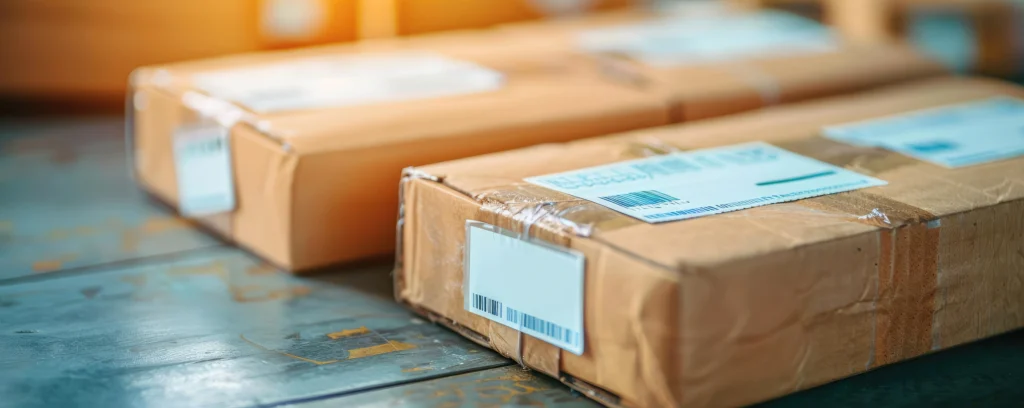
consignee's package

Some practical tips:

  • Double-check shipment details before the goods are dispatched.
  • Keep open communication with the shipper or freight forwarder.
  • Make sure all paperwork is correct; typos can cause major delays.

Tech Tools for Delivery Recipients

These days, technology is a lifesaver. Real-time tracking, automated status updates, and some online customs portals mean recipients spend less time chasing information and more time planning their next move.

Receivers in E-Commerce

With the boom in online shopping, many delivery parties are just everyday customers waiting for packages from halfway around the world. Transparency and speed are now more important than ever.

Legal Side of Being the Final Receiver

Depending on the shipping agreement, the receiving party might be responsible if goods are damaged after delivery. They also have the right to refuse goods that don’t match the agreed terms though that can lead to disputes.

Recipient and Incoterms

International Commercial Terms (Incoterms) spell out exactly what the final receiver must do. Under DDP (Delivered Duty Paid), for example, the recipient just accepts the goods everything else is covered by the seller. Under FOB (Free On Board), their responsibilities can be much bigger.

Looking Ahead

Global shipping is changing fast. Automation, blockchain-based bills of lading, and AI-powered tracking are all reshaping how delivery recipients manage shipments. The role might look different in ten years, but it’s not going away anytime soon.

Final Word

The delivery party’s role might fly under the radar, but without them, trade would simply stop. They’re the final link in a complex chain, and how well they handle their part can make or break a delivery.

FAQs

1. What’s the difference between a consignee and a buyer?
A buyer is the one who pays for the goods; a consignee is the one who’s set to receive them. Sometimes they’re the same person, sometimes not.

2. Can a consignee reject a delivery?
Yes, but they should have a valid reason, like damage or a mismatch with the order.

3. Does the consignee pay customs fees?
Often, yes unless the shipping terms say otherwise.

4. Can you change the consignee after shipping?
Yes, but it takes proper authorization and updated paperwork.

5. Who’s on the hook for damaged goods?
It depends on the shipping agreement sometimes the carrier, sometimes the seller, and occasionally the consignee.

READ MORE
AdobeStock_273791754
Package
August 13, 2025 By TEU Global Editorial Team

What Exactly Is a Backorder? How To Manage It?

When you are shopping online, you might come across the word “Backorder“. Now the question arises “What exactly is a backorder?”
A backorder happens when customers can order an item that’s temporarily out of stock because the seller expects to restock it soon. Think of it as a “you can buy it now, but you’ll get it later” situation.
Unlike an out-of-stock notice where the product simply isn’t available to buy at all, a backorder means the business is still taking orders and just needs a little more time to ship.

Why Do Backorders Happen?

Backorders are more common than most businesses would like to admit. They can be caused by:

Sudden Demand Spikes

For example, if a bakery in Chicago gets featured on a food TV show, their signature cheesecake could sell out in hours. Demand shoots through the roof, and supply can’t keep up.

Supply Chain Delays

Maybe your shipment is stuck in a port in Los Angeles due to customs delays or a shortage of truck drivers.

Production Bottlenecks

Factories might run into issues with raw materials, machine breakdowns, or labor shortages.

Seasonal Surges

Retailers in New York often see backorders for winter gear after the first snowstorm, even if they stocked up earlier in the season.

The Customer’s Perspective

Let’s be honest nobody loves hearing that their order will take weeks instead of days. But backorders don’t always have to be a negative experience.
If businesses communicate well, customers are often willing to wait, especially for high-demand or limited-edition products. The difference comes down to transparency, updates, and maybe a small perk like free shipping or a discount on the next purchase.

How Backorders Affect Your Business

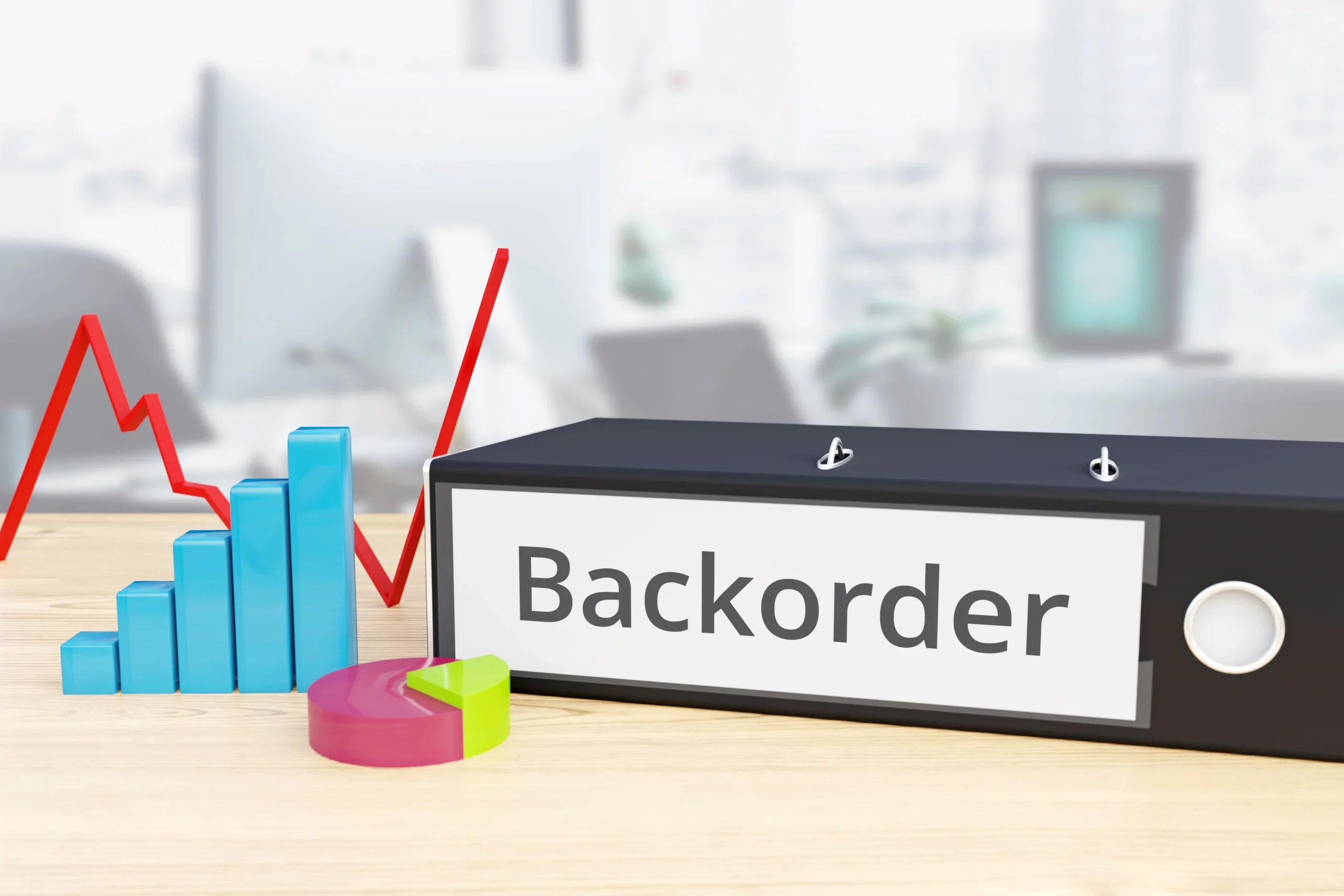
managin backorder

Here’s the reality: backorders are a double-edged sword.

Pros:

  • You can keep making sales even when inventory is temporarily unavailable.
  • They help gauge customer demand for future stocking.
  • They prevent lost revenue during short-term supply hiccups.

Cons:

  • Frustrated customers may cancel orders.
  • Shipping delays can hurt your brand’s reputation.
  • Complex logistics are required to fulfill orders in the right sequence.

Managing Backorders Without Losing Customers

If you’re running a logistics operation, here’s how to keep backorders from becoming a nightmare:

1. Keep Your Inventory Data Accurate

Use Inventory Management Systems like NetSuite that can flag low stock early, so you can reorder before the backorder problem starts.

2. Be Transparent

When customers place an order for an item on backorder, tell them upfront about the delay. A clear message like “Expected ship date: August 25” works wonders.

3. Offer Alternatives

If a red winter coat is in a back order, it offers the same style in blue that’s in stock. This can save sales.

4. Stay in Touch

Send order status updates via email or text. Customers who feel “in the loop” are less likely to get annoyed.

5. Work Closely with Suppliers

Strong supplier relationships can sometimes get you priority restocking.

6. Work With A Fast Freight Forwarder

Using a fast and reliable Freight Forwarder is necessary for your business. In this way you can easily handle the transportation of products from point A to point B.

Real-World Example: Backorder in Action

A few years ago, a small outdoor gear shop in Denver stocked a limited run of high-end camping tents. Unexpectedly, a famous travel vlogger featured them in a YouTube video. Overnight, demand exploded.

The store had two options:

  • Mark the tents as “out of stock” and lose hundreds of potential sales.
  • List them as “available on backorder” with a clear 3-week delivery timeline.

They chose the second option, sent regular shipping updates, and even threw in free carabiners for the wait. Not only did customers stick around, but many came back for future purchases.

Backorder vs. Out-of-Stock Key Difference

Some people confuse these two terms, but in logistics they’re different:

  • Backorder: Item not currently in stock, but available to order for future delivery.
  • Out of Stock: Item unavailable for purchase until restocked, and no orders are being taken.

Knowing the difference matters when setting customer expectations.

Reducing the Risk of Backorders

While you can’t avoid every supply chain hiccup, you can reduce the risk with these strategies:

Better Demand Forecasting

Use sales history and seasonal trends to predict when demand will spike.

Safety Stock

Keep a small buffer inventory to cover sudden surges.

Diversified Suppliers

Don’t rely on just one supplier if one has issues, another can step in.

Faster Restocking Agreements

Negotiate shorter lead times with your vendors where possible.

Conclusion

It is not something bad, given the condition you handle it properly. It is just an alternate option for Out of Stock; you will not miss the sale if a customer can backorder, whereas if it’s Out of Stock, the user simply cannot place an order. You just have to communicate clearly and keep improving your inventory management.
The primary goal is to turn a frustrating delay into a positive customer experience; this way you will not only keep your current buyers happy but also earn their loyalty.

READ MORE
intermodal transportation
LogisticsCargo
August 7, 2025 By TEU Global Editorial Team

Intermodal Transportation: Why More Businesses Are Choosing It in 2025

Let’s face it moving freight across the country isn’t what it used to be. Between rising fuel prices, driver shortages, and the pressure to lower carbon emissions, businesses are rethinking the way they ship goods. And that’s where Intermodal Transportation comes into play.

You might’ve heard the term thrown around in logistics meetings or supply chain webinars. But what does it actually mean? And more importantly, is it worth considering for your business?

Let’s break it down. Even if you are not too much into logistics, after reading this blog, you will get to know about Intermodal Transportation.

So, What Is Intermodal Transportation?

At its core, Intermodal Transportation just means moving freight using more than one type of transport like trucks, trains, and ships but keeping the cargo in the same container the whole way.

For Example: A container full of electronics leaves a warehouse in Chicago, gets loaded onto a train headed west, and finally hops onto a truck that delivers it to a tech store in Los Angeles. No one opens the container along the way it just gets transferred from one mode of transport to another.

Why is that such a big deal? Because it reduces handling, cuts down on delays, and lowers the chance of damage or theft.

Why It’s Gaining So Much Popularity

Intermodal has been around for a while, but in recent years especially in North America it’s become a go-to choice for smart shippers. Here’s why:

1. Cost Savings That Add Up

Trucks are great for shorter routes, but when it comes to moving freight over long distances say 500 miles or more rail is significantly cheaper. Trains can carry more at once, use less fuel, and avoid tolls and congestion. According to the EPA, rail can move one ton of freight over 470 miles on a single gallon of fuel. That’s hard to beat.

2. A Win for the Environment

Companies are under growing pressure to reduce their carbon footprints both from customers and regulators. Intermodal helps with that. Since trains emit fewer greenhouse gases than trucks, combining both modes can drastically shrink your environmental impact.

3. More Security, Less Hassle

Keeping freight sealed in the same container from start to finish means there are fewer opportunities for things to go wrong. Less handling = less damage and lower risk of theft.

4. Scalability That Makes Sense

Whether you’re shipping ten containers a month or a thousand, intermodal can grow with your needs. That’s one reason large retailers and manufacturers rely on it heavily for their long-haul freight.

When Does Intermodal Transportation Work Best?

Let’s be real intermodal isn’t perfect for every shipment. But under the right conditions, it’s a no-brainer.

Here’s when it shines:

  • Your freight is going 500+ miles.
  • You don’t need next-day delivery.
  • Your pickup and drop-off points are near major rail terminals or ports.
  • You’re shipping regular volumes weekly or monthly lanes are ideal.

So, if you’re sending apparel from a distribution center in Toronto to retailers across California, intermodal might just be your most cost-effective and reliable bet.

A Real Example: From Toronto to San Diego

Let’s take a real-world shipping route Toronto to LA and see how Intermodal Transportation would work in that case:

  1. First Part (Truck)
    A container is loaded at a facility in Toronto, then trucked to a nearby rail terminal.
  2. Main Haul (Rail)
    It travels by train from Toronto, through Chicago, and all the way to a terminal in Los Angeles. Rail lines like Canadian National or CPKC handle these cross-border routes with ease.
  3. Final Stretch (Truck)
    Once it hits LA, a local trucking partner picks up the container and delivers it to the final stop say, a fulfillment center in San Diego.

And the best part? No one ever opens the container along the way. Fewer hands on your product means fewer things can go wrong.

Let’s Talk Benefits Again, but Real Talk

trucks at intermodal transportation
What You GetWhy It Matters
Lower Shipping CostsRail is cheaper over long hauls period.
Fewer DelaysTrains aren’t stuck in traffic like trucks are.
Eco-Friendly ShippingHelps you meet green goals (and brag about it).
Safer ShipmentsSealed containers mean less risk of theft/damage.
Room to GrowEasily scale operations as your business expands.

Not All Sunshine and Rainbows: The Downsides

Of course, intermodal isn’t without a few quirks:

  • It’s Not Super Fast
    If you’re used to Expedited Shipping, Intermodal Transportation might feel a little slow. You need to plan ahead and allow some buffer time.
  • Terminal Access Can Be Tricky
    If you’re based far from a rail hub or port, first/last mile transport can eat your savings.
  • Coordination Is Key
    Managing multiple carriers, schedules, and handoffs can get complex. That’s why many shippers partner with us to simplify the process.

Who Should Be Looking at Intermodal Transportation?

If you’re in retail, manufacturing, automotive, agriculture, or consumer goods, and your shipments are moving across multiple states or provinces it’s worth considering.

Especially if you:

  • Ship to/from major cities like Dallas, Toronto, Vancouver, Chicago, or Atlanta.
  • Care about cost savings and sustainability.
  • Are expanding to cross-border U.S.-Canada routes.

Getting Started with Intermodal Transportation (Without the Headache)

If you’re new to this, here are a few tips:

  • Know Your Routes: Check if your origin/destination has nearby rail terminals.
  • Use Standard Containers: Stick with 20ft or 40ft containers that are intermodal-ready.
  • Don’t Go It Alone: Work with a 3PL that understands intermodal operations. A reliable partner like us can handle booking, tracking, and delivery for you.

Also, it helps to track your freight in real-time. Delays can happen, but you should always know where your shipment is.

Final Thoughts

If your logistics strategy hasn’t changed in the last 5 years, it’s probably due for an upgrade. With today’s challenges from labor shortages to cost pressures and sustainability demands Intermodal Transportation just makes sense.

It’s not about replacing trucks. It’s about using the best of each mode truck, train, or ship in a smarter way. Intermodal helps you move freight efficiently, affordably, and with less stress.

If you’re curious how it might work for your business, reach out to our Logistics Consultants. At TEU Global, we’ll walk you through the options, customize a plan that fits your needs, and help you ship smarter in 2025 and beyond.

READ MORE
reverse logistics real image
Logistics
August 4, 2025 By TEU Global Editorial Team

Reverse Logistics: Why the Journey Back Matters More Than You Think

Reverse Logistics Is Often Ignored And That’s a Mistake

If you’ve ever had to return a product, you’ve participated in reverse logistics whether you knew it or not. But for most companies, reverse logistics still feels like the forgotten child of the supply chain. That’s a big mistake. In today’s world, where return rates are climbing and customers expect a refund before they’ve even sealed the box, handling reverse flows with precision can make or break your margins.

So, What Is Reverse Logistics, In Real Life Terms?

It’s easy to throw around definitions, but let’s put it plainly: reverse logistics is what happens when the product goes the other way. It’s about what you do when customers return goods, when parts need refurbishing, when packaging is reused, or when electronics get scrapped for recycling. It’s not a flashy part of operations but it’s one that saves money, reduces waste, and keeps customers coming back.

Why Is Reverse Logistics a Big Deal Now?

Online shopping changed the game. Customers now buy three sizes, try them on at home, and send two back no guilt. That’s just how things work. But here’s the twist: those returns cost businesses more than they realize. If there’s no process in place to manage that flow backward, things fall apart fast. Worse, those delays can damage brand trust, especially when customers feel stuck in refund limbo. Companies like TEU Global have recognized this shift early and built solutions around it.

Returns, Repairs, and the Magic of Getting Stuff Back

Most people think reverse logistics starts and ends with a refund. It’s a lot more layered. Once a product is returned, someone has to inspect it. Is it good enough to restock? Can it be refurbished and resold? Is it junk and headed for disposal? Every answer requires a different path, and those paths cost money or save it, depending on how smart your logistics setup is.

reverse logistics

The Green Advantage: Recycling and Reuse Done Right

Reverse logistics isn’t just about money it’s also about sustainability. More and more, customers want to buy from brands that care. If you can show that your products get a second life—or that your packaging isn’t clogging up landfills you’ve already won half the battle. Companies that partner with eco-conscious logistics firms, like TEU’s Warehousing and Distribution, have a much easier time putting this into action.

The Hidden Costs of Getting It Wrong

When reverse logistics isn’t set up properly, the problems pile up fast. Inventory goes missing. Customers wait weeks for their money. Warehouses overflow with unprocessed returns. Every one of those issues eats into your bottom line. And in an era where customer patience is wearing thin, slow or sloppy return experiences can lose you future business faster than you’d think.

Why You Shouldn’t Try to Do It All Yourself

Let’s be honest most businesses aren’t built to handle complex reverse logistics in-house. It requires a different mindset, different systems, and often, different infrastructure. That’s why many growing companies turn to third-party experts who already have the trucks, warehouses, and tech in place. If you’re a small or mid-sized business, teaming up with a trusted provider like TEU Global’s Freight Forwarding can save you more than just headaches it can save your reputation.

Reverse Logistics in Action: What It Looks Like Across Industries

No two industries handle reverse logistics the same way. In fashion, it’s all about managing returns quickly and keeping inventory fresh. In electronics, it’s about recovering valuable materials and safely disposing of toxic components. Automotive firms focus on remanufacturing parts. Pharmacies need to dispose of expired medication properly. What’s consistent? Each one needs a reverse system that’s fast, compliant, and cost-effective.

Technology Makes It Easier Than You Think

Here’s the good news: you don’t need a massive team to run an effective reverse logistics program. With modern logistics software, barcode scanning, return automation, and AI-powered inspections, the process can be fast and painless. Better yet, most of it can be outsourced or integrated into your existing supply chain platforms.

Your Customers Are Watching

A great return policy isn’t just a courtesy anymore, it’s a necessity. Studies show customers are far more likely to buy if they know they can return easily. The tricky part? They also expect returns to be quick, seamless, and transparent. Reverse logistics plays a key role here. Mess it up, and customers bounce. Nail it, and they’ll stick with you even if the product doesn’t work out.

Final Thoughts: Time to Stop Ignoring the “Return Trip”

Reverse logistics might not be the best part of your business, but it could be the most underrated. It affects everything from your costs to your carbon footprint to how loyal your customers feel. In today’s landscape, it’s no longer enough to get products to people fast you also must get them back smart. And the businesses that understand that? They’re the ones that grow stronger, leaner, and more respected year after year.

FAQs

1. How is reverse logistics different from regular shipping?
Forward logistics delivers products to customers; reverse logistics handles what comes back returns, repairs, or recycling.

2. Can reverse logistics help cut costs?
Yes, especially when items are refurbished or recycled. You also avoid losses from damaged goods or slow restocking.

3. Does TEU Global offer reverse logistics services?
Yes, we provide integrated solutions that cover transportation, warehousing, and returns management.

4. Is this only relevant to big companies?
Not at all. Small and medium-sized businesses can benefit by outsourcing logistics providers with reverse capabilities.

5. What’s the biggest benefit of doing it right?
Customer trust. A smooth return process means being happier, repeat buyers and that’s priceless.

READ MORE
AdobeStock_1306537098
Informational
July 30, 2025 By TEU Global Editorial Team

Warehouse Management: The Real Engine Behind Logistics Success

Behind every fast delivery and accurate shipment is a warehouse management with coordination, strategy, and hard-earned efficiency. For businesses trying to keep up with today’s customer expectations, warehouse management is no longer just about moving boxes; it’s about building a system that runs smarter, not harder.

We’ve seen it firsthand: operations that once struggled with late shipments, misplaced inventory, and frustrated customers completely turn around after refining their warehouse processes. In this guide, we’re walking you through what that transformation looks like—and how to get there yourself.

So, What Is Warehouse Management Anyway?

At its core, warehouse management covers everything that happens inside your warehouse—from the moment goods arrive at the dock to the moment they leave in a delivery truck. That includes receiving, storing, tracking inventory, picking and packing orders, and shipping them out.

Sounds simple enough, right? But if you’ve ever tried juggling thousands of SKUs, fluctuating demand, and peak season rushes, you know there’s nothing simple about it. That’s where strategy, systems, and a bit of tech muscle come into play.

Breaking Down the Warehouse Management System (WMS)

Think of a Warehouse Management System (WMS) as the brain behind your warehouse. It’s the software that tells you what’s where, how much you have, and how to move it quickly and accurately.

What a Good WMS Should Do:

  • Keep tabs on inventory in real time (no more guessing).
  • Help workers pick the right items faster and with fewer errors.
  • Suggest better storage locations for high turnover items.
  • Automate tasks like restocking alerts and reorder points.
  • Give you reports that mean something.

Whether you’re managing a small fulfillment center or a multi-location network, the right WMS can make your team more efficient and your customers a lot happier.

Receiving Inventory: Where It All Begins

Ever had inventory show up at your warehouse and then vanish into a black hole? It happens more often than people admit. Receiving is your first line of defense against inventory mistakes.

We recommend preparing for incoming shipments before the truck even back into the dock. Things like advanced shipping notices (ASNs) let your team plan, assign space, and reduce unloading chaos.

A Smarter Receiving Checklist:

  • Use barcode scanning right at the dock.
  • Document discrepancies immediately.
  • Get items into the system as soon as they hit the floor.
  • Prioritize fast-moving SKUs to get stored first.

A smooth receiving process sets the tone for everything that follows.

Storage Layouts That Work for You (Not Against You)

How you store your goods makes a bigger impact than you might think. Poor layouts can add hours of extra walking every day, create bottlenecks, and even lead to lost inventory.

We’ve helped clients rearrange their shelves and immediately saw faster picking rates. The key? Store what sells the most close to the packing stations.

Storage Tactics That Deliver:

  • ABC Inventory Method: Put your fastest movers front and center
  • Cross docking: Skip storage for high-demand items and ship out immediately
  • Climate controlled zones: For sensitive goods like food or electronics

Small changes here often lead to big gains down the line.

Picking and Packing: Where Orders Come to Life

Let’s be real—this is where most mistakes happen. The wrong item, wrong quantity, or wrong address can all wreck a customer’s experience. But with the right systems, your team can pick faster and more accurately.

warehouse management storage

Real-World Fulfillment Strategies:

  • Batch picking: Group similar orders to cut down on transit time
  • Zone picking: Assign staff to specific areas to avoid confusion
  • Pick-to-light or voice picking: Keep hands free and speed things up
  • Pack stations with built-in scales and scanners: Catch errors before they ship

Getting this part right saves time, cuts down on returns, and earns customer loyalty.

Shipping: Don’t Let All That Work Go to Waste

After all the effort you’ve put in, the last thing you want is a delay at the shipping dock. Efficient outbound processes make sure everything leaves your warehouse quickly and correctly.

Our Outbound Must-Haves:

  • Shipping software that compares carrier rates and delivery speeds.
  • Smart packing that reduces waste and dimensional weight charges.
  • Load planning to maximize truck space and minimize trips.
  • Real-time tracking so customers (and your team) aren’t left guessing.

Shipping is where many companies drop the ball, don’t let that be your story.

Inventory Management: Always Know What’s in Stock

This one’s a deal-breaker. If your inventory is off, nothing else will run smoothly. Customers get backorders, your team wastes time searching, and you overspend on stock you don’t need.

We recommend routine cycle counts rather than waiting for full year-end audits. It’s less disruptive and much more effective at keeping numbers accurate.

Tips for Better Inventory Control:

  • Use barcode or RFID tags for fast, accurate scanning.
  • Set up automatic low-stock alerts.
  • Track expiration dates for perishable items.
  • Regularly review slow movers to avoid deadstock buildup.

Stay lean, stay informed, and stay flexible.

Making the Most of Your Warehouse Team

Your tech can only go so far without the right people using it. A well-trained, motivated warehouse team makes all the difference.

What We’ve Seen Work:

  • Set daily and weekly performance goals.
  • Use dashboards to keep everyone aligned.
  • Cross-train employees to cover absences and reduce downtime.
  • Offer bonuses for top performers to boost morale.

Technology supports the team but the team drives success.

Time to Talk Automation

Let’s face it: humans aren’t great at repetitive tasks. That’s where automation shines. Whether it’s conveyor belts, robotic picking arms, or automated guided vehicles (AGVs), the right tools can slash errors and speed up the workflow.

And you don’t need to go fully robotic overnight. Many companies start small—adding just a few automated systems—and scale from there.

Data and Analytics: Your Competitive Edge

Modern warehouses generate a goldmine of data. The real winners are those who use that data to make better decisions.

Track KPIs like

  • Order accuracy
  • Fulfillment speed
  • Inventory turnover
  • Labor productivity

Regular analysis highlights areas for improvement you might otherwise miss.

Sustainable Warehousing: Doing Good While Saving Money

Sustainability isn’t just a buzzword; it’s good business. From LED lighting to recyclable packaging and energy-efficient HVAC, the choices you make inside the warehouse matter.

Plus, customers and partners are paying more attention than ever.

Final Thoughts: Warehouse Management That Works

There’s no one-size-fits-all formula for warehouse success. But we’ve learned this: if you invest in smart systems, treat your team well, and continuously improve, the results speak for themselves.

At the end of the day, warehouse management isn’t just about logistics; it’s about keeping your promises. Every time a customer clicks “buy,” they’re counting on you. And when your warehouse runs right, you deliver.

Let’s make your warehouse the one customers and competitors talk about with TEU Global.

READ MORE
Expedited shipment the image should be based on reality
CargoInformationalLogistics
July 25, 2025 By TEU Global Editorial Team

Expedited Shipping: A Real-Time Lifesaver in Modern Logistics

What Exactly Is Expedited Shipping?

In simple terms, expedited shipping gets your package delivered faster than standard shipping. But it’s more than just a speed boost. It involves priority handling, limited stops, and faster transportation methods; think express trucks or air freight instead of ground.

Carriers treat these shipments differently from the start. They’re scanned, processed, and moved quickly through hubs, with fewer delays and more attention to timing. And most of the time, you’ll get real-time tracking so you can keep an eye on your shipment every step of the way.

Why So Many Businesses Rely on Expedited Shipping

Imagine you run a small electronics store, and a customer places a rush order for a replacement part to fix a piece of medical equipment. If you ship it standard, they may have to wait five or six days’ time they simply don’t have. Expedited Freight Forwarding Services, like the ones we offer at TEU Global, step in to make sure that doesn’t happen.

Here are a few everyday scenarios where expedited delivery makes a real difference:

  • A restaurant runs out of a key ingredient days before a big event.
  • A construction site halts because a key machine part is missing.
  • A fashion boutique needs new stock delivered in time for a weekend sale.

In short, expedited shipping is used when “soon” just isn’t soon enough.

How Expedited Shipping Actually Works

Here’s what usually happens behind the scenes: once your order is placed and marked for expedited service, it’s pulled from inventory quickly, packed, and handed off to a carrier with express routing. Many logistics companies, including us at TEU, work closely with air cargo lines or dedicated express trucks that skip non-essential stops.

Unlike standard shipping, which may bounce between hubs, expedited shipments are routed for efficiency. It’s all about getting from A to B with as few touchpoints as possible.

Benefits Beyond Just Speed

Yes, speed is the headliner, but there’s more to know about expedited shipping:

  • Fewer delays and less risk: Since the shipment skips many standard processing points, there are fewer chances of delays.
  • Better handling: High-priority shipments tend to be treated more carefully.
  • Transparency: Real-time tracking updates help customers (and businesses) stay informed.
  • Customer satisfaction: Delivering faster can lead to repeated business and better reviews.

These benefits often make the extra cost worthwhile, especially in time sensitive situations.

Standard vs. Expedited Shipping: What’s the Difference?

Here’s a side-by-side look:

FeatureExpedited ShippingStandard Shipping
Delivery Time1–3 Days3–7 Days
CostHigherLower
TrackingReal-TimeBasic or Delayed
HandlingPriorityGeneral
Best ForUrgent or high-value deliveriesRoutine orders

While standard shipping works just fine for many orders, expedited shipping is the better choice when timing truly matters.

Types of Expedited Services

Depending on the courier and your needs, you’ll typically find these options:

  • Same-Day Delivery: Only available in limited areas but perfect for emergencies.
  • Next-Day Shipping: Often used for eCommerce and business-critical deliveries.
  • Two-Day Shipping: A good balance of cost and speed, popular with online retailers.
  • Time-Specific Delivery: Services that guarantee delivery by a specific time, like “by 10 AM tomorrow.”
Expedited Shipment

What It Costs (And Why It’s Worth It)

Naturally, expedited shipping will cost more. The exact price depends on a few factors:

  • How far the package is traveling
  • Weight and dimensions
  • Speed selected (overnight costs more than two-day)
  • Carrier and shipping agreements

For businesses that ship in volume, it’s possible to negotiate lower rates or bundle services to save on costs.

While it may seem pricey up front, the potential cost of a missed opportunity, lost sale, or disrupted supply chain can be even higher.

How to Make Expedited Shipping Work for You

If you’re an online retailer or business owner, here’s how to incorporate expedited shipping smartly:

  • Set expectations clearly: Let customers know when cut-off times are.
  • Use fulfillment centers close to major regions.
  • Offer it as an upgrade, not default.
  • Only use expedited when needed; it saves money.
  • Track performance and adjust shipping zones if necessary.

The key is to offer it when it adds value, not just for the sake of it.

When You Probably Don’t Need It

If your product isn’t urgent, or if customers are fine waiting a few extra days, then stick with standard shipping. It’s more economical and often more sustainable, especially for lower-margin goods.

But if you’re shipping medical supplies, replacement parts, perishables, or high-stakes orders, expedited shipping is often the best (or only) way to go.

Final Word: Should You Use Expedited Shipment?

If you’re on the fence, ask yourself, what’s the cost of being late?

Sometimes it’s just an inconvenience. Other times, it could mean lost sales, disappointed customers, or missed opportunities. Expedited shipping is a tool, and when used at the right time, it delivers more than just a package. It delivers confidence, reliability, and peace of mind.

FAQs: Let’s Wrap Up With a Few Quick Answers

1. Is expedited shipping always guaranteed?
Most providers offer delivery windows, but unforeseen events (like weather or customs delays) can still impact timing.

2. Is expedited shipping worth it for small businesses?
Yes, especially if fast delivery is part of your value proposition or customer expectations.

3. Can I offer expedited options on my site?
Absolutely. You can integrate it easily into your checkout system and let the customer decide.

4. How do I keep costs under control?
Negotiate with carriers, reduce packaging size, and only offer it for the right products.

READ MORE
  • 1
  • 2
  • 3
  • 4
TEU Global

TEU Global is a 3PL company, with a top reliable global agent network. From freight forwarding and customs clearance to warehousing and purchase order management, we provide the best services with extra personal care.

Services

Ocean Freight Shipping

US Handling Agent

Canada Handling Agent

Freight Forwarding

Customs Clearance

Cargo Insurance

Drayage & Domestic Truck Delivery

Warehousing and Distribution

Purchase Order Management

Logistics Consultants

Customs Compliance Coaching

Branches

LOS ANGELES

Distribution & Dispatch facility

6860-B Sycamore Canyon Blvd
BLDG – B , Riverside, CA 92507

Email : Lax@teuinc.com
Phone : 310-740-9900


MIAMI

Distribution & Dispatch facility

5855 NW 159th St, Miami Lakes FL 33014
Email : Mia@teuinc.com
Phone : 305-851-7818


UAE

Office No: 2311, The Prime Tower Business Bay, Dubai
Email: Gulf@teuinc.com
Phone : +971-4-422-1046

Head Office

NEW JERSEY

242 Old New Brunswick Road,
Suite 145 Piscataway, NJ 08854 USA

Email : info@teuinc.com
Phone : 732-515-9040
Fax # : 732-856-5008
Toll free: 877-414-8381

TwitterFacebookInstagramYoutubeLinkedin

Copyright © 2015-2025. TEU Global – All Rights Reserved.

Privacy Policy | Terms & Conditions