
TEU Global
  • Home
  • About Us
  • Services
    • Ocean Freight Shipping
    • US Handling Agent
    • Canada Handling Agent
    • Freight Forwarding
    • Customs Clearance
    • Cargo Insurance
    • Drayage & Domestic Truck Delivery
    • Warehousing and Distribution
    • Purchase Order Management
    • Logistics Consultants
    • Customs Compliance Coaching
  • Resources
    • Payments
    • FAQs
    • Downloads
    • Knowledge Hub
    • Newsletter
  • Contact Us
  • Blog

Type To Search

Get a Quote
TEU Global
  • Home
  • About Us
  • Services
    • Ocean Freight Shipping
    • US Handling Agent
    • Canada Handling Agent
    • Freight Forwarding
    • Customs Clearance
    • Cargo Insurance
    • Drayage & Domestic Truck Delivery
    • Warehousing and Distribution
    • Purchase Order Management
    • Logistics Consultants
    • Customs Compliance Coaching
  • Resources
    • Payments
    • FAQs
    • Downloads
    • Knowledge Hub
    • Newsletter
  • Contact Us
  • Blog

Type To Search

Get a Quote
  • Home
  • About Us
  • Services
    • Ocean Freight Shipping
    • US Handling Agent
    • Canada Handling Agent
    • Freight Forwarding
    • Customs Clearance
    • Cargo Insurance
    • Drayage & Domestic Truck Delivery
    • Warehousing and Distribution
    • Purchase Order Management
    • Logistics Consultants
    • Customs Compliance Coaching
  • Resources
    • Payments
    • FAQs
    • Downloads
    • Knowledge Hub
    • Newsletter
  • Contact Us
  • Blog
teu global logo dark
  • Home
  • About Us
  • Services
    • Ocean Freight Shipping
    • US Handling Agent
    • Canada Handling Agent
    • Freight Forwarding
    • Customs Clearance
    • Cargo Insurance
    • Drayage & Domestic Truck Delivery
    • Warehousing and Distribution
    • Purchase Order Management
    • Logistics Consultants
    • Customs Compliance Coaching
  • Resources
    • Payments
    • FAQs
    • Downloads
    • Knowledge Hub
    • Newsletter
  • Contact Us
  • Blog
Author: TEU Global Editorial Team
HomeArticles Posted by TEU Global Editorial Team
Customs Clearance Process Documentation
Compliance & Regulations
January 7, 2026 By TEU Global Editorial Team

Customs Clearance Process: How We Handle It at TEU Global

At TEU Global, we deal with the customs clearance process every single day. It’s one of the most important parts of international logistics, and it’s also one of the most misunderstood. Many companies see customs as paperwork that just needs to be filed. From our experience, it’s far more than that.

Customs clearance is where preparation, accuracy, and judgment all come together. When it’s handled correctly, shipments move smoothly. When it isn’t, delays and unexpected costs tend to follow. Over the years, we’ve learned that success at customs starts long before cargo arrives at the border.

How We View the Customs Clearance Process

To us, the customs clearance process is not just a regulatory step. It’s a risk-management function. Every shipment tells a story through its documents, and customs authorities are trained to read that story closely.

We focus on consistency. Product descriptions, declared values, and classifications need to align not just within one shipment, but across multiple entries over time. When customs sees clear, repeatable information, they ask fewer questions. That consistency builds credibility, and credibility keeps cargo moving.

customs clearance process explained

Where We See Most Customs Issues Originate

Most customs problems don’t come from serious violations. They come from small oversights.

We often see issues caused by:

  • Vague or overly generic product descriptions
  • HS codes reused without proper review
  • Minor value discrepancies between documents
  • Assuming regulations haven’t changed

These details may seem minor, but they can slow the customs clearance process quickly. That’s why we place so much emphasis on reviewing documentation before a shipment is ever filed.

What Happens When Cargo Arrives

Once cargo arrives at a port or airport, the carrier submits a manifest to customs. A customs declaration is then filed, either by the importer or through a licensed customs broker.

From our experience, inspections are not truly random. Shipments with clear documentation and a solid compliance history tend to move faster. Customs authorities rely on risk profiling, and accurate data plays a major role in how that risk is assessed.

Over time, we’ve seen that preparation reduces friction at this stage of the customs clearance process.

Duties, Taxes, and Cargo Release

After reviewing the declaration, customs assesses duties and taxes based on classification, value, and applicable trade rules. Once payment is completed, the shipment is released.

When documentation is accurate and complete, this step is straightforward. When it isn’t, even small corrections can delay release. That’s why we treat duty assessment as part of planning, not an afterthought.

How We Support Customs Clearance at TEU Global

At TEU Global, our role is to make the Customs Clearance Process predictable and manageable for our clients. Through our dedicated customs clearance services, we support importers by reviewing classifications, validating documentation, and coordinating directly with customs authorities.

We don’t just focus on clearing a shipment. We focus on reducing the likelihood of issues on future shipments. That long-term approach is what helps our clients maintain consistency and avoid unnecessary delays.

Because customs is closely tied to transportation and compliance, our team works in coordination with other logistics functions. Clients can learn more about our broader capabilities through the TEU Global website.

Common Challenges We See in Customs Clearance

Even well-managed shipments can face challenges.

Regulations evolve constantly. Tariffs, sanctions, and documentation requirements change, sometimes with little notice. We also see delays caused by port congestion or inspections that are outside anyone’s control.

What makes the difference is how prepared a shipment is when those challenges arise. Clear documentation and strong compliance history often shorten resolution time.

How We Help Improve the Customs Clearance Process Over Time

We believe customs clearance improves with discipline and consistency.

We help clients standardize product descriptions, review classifications regularly, and maintain organized compliance records. When something isn’t clear, we address it early instead of making assumptions.

We also stay aligned with global and national guidance. Standards from the World Customs Organization influence how customs administrations operate worldwide. For U.S. imports, we closely follow updates from U.S. Customs and Border Protection to ensure our clients remain compliant.

Our goal isn’t perfection. It’s predictability and control.

Frequently Asked Questions

How long does the customs clearance process usually take?

When documentation is complete and accurate, clearance can often be completed within one business day. Inspections or missing information can extend that timeline.

Does customs clearance apply to exports as well?

Yes. Export shipments also go through a customs clearance process to meet regulatory and security requirements.

Can customs clearance be completed before cargo arrives?

In many cases, advance filing is possible and can significantly speed up the release process once cargo arrives.

What causes most customs delays?

The most common causes we see are incomplete documentation, incorrect classification, unpaid duties, and regulatory changes.

Is customs clearance only important for large importers?

No. Small and mid-sized businesses face the same customs requirements, and delays can have an even greater impact on their operations.

How does TEU Global reduce customs clearance risks?

We focus on proactive review, accuracy, and compliance consistency, helping our clients avoid avoidable delays and penalties.

Final Thoughts

At TEU Global, we see the customs clearance process as a critical part of successful global trade. When customs is treated as an afterthought, delays and costs increase. When it’s treated as part of a broader logistics strategy, it becomes far more manageable.

By combining experience, preparation, and regulatory awareness, we help our clients move goods across borders with greater confidence and fewer disruptions. Over time, that reliability becomes a competitive advantage.

READ MORE
AdobeStock_1525540858
Logistics
December 23, 2025 By TEU Global Editorial Team

Holiday Season Warehousing and Distribution: What Really Keeps Orders Moving When Demand Peaks

The holiday season has a way of exposing weak points in a supply chain. What works perfectly fine for most of the year suddenly starts to feel stretched. Orders come in faster, inventory turns quicker, and customers expect delivery timelines that leave very little room for error. For many businesses, this is the time when holiday season warehousing and distribution quietly become the most important part of their logistics strategy.

At TEU Global, we see this every year. As the holidays approach, conversations with clients change. The focus shifts from long-term planning to very real, immediate questions. Do we have enough space? Can we fulfill orders fast enough? What happens if demand spikes overnight? These questions are not theoretical during peak season. They are operational realities.

You can learn more about TEU Global and our logistics capabilities by visiting https://new.teuinc.com/.

Why Warehousing Feels Different During the Holidays

Warehousing during the holiday season is not just “busier.” It’s more intense in ways that are easy to underestimate. Inventory arrives in larger volumes, order cut-off times get tighter, and even small inefficiencies can snowball into delays. A picking error that might be manageable in October becomes a serious issue in December.

What makes the holiday season especially challenging is unpredictability. A product that moves steadily all year can suddenly become a top seller. Promotions, social media trends, or unexpected demand shifts can empty shelves in days. When that happens, the warehouse becomes the first place where pressure shows up.

This is why having a solid warehousing and distribution setup matters so much during peak season. It’s not just about storage space. It’s about how inventory is organized, how quickly orders can be processed, and how clearly teams can see what is available at any given moment.

Inventory Placement Matters More Than Most Businesses Expect

One of the most common holiday challenges is inventory being in the wrong place at the wrong time. Stock may exist, but it’s too far from the customer or stuck in a location that slows down fulfillment. When delivery timelines are tight, distance matters.

TEU Global works with businesses to plan inventory placement based on real demand, not assumptions. Instead of keeping everything in one location, inventory can be positioned closer to key markets. This reduces transit time, lowers last-mile pressure, and helps businesses meet holiday delivery promises more consistently.

This approach also gives companies flexibility. When one product starts selling faster than expected, it’s easier to respond if inventory visibility is clear and distribution is already planned with peak demand in mind.

Handling Volume Without Losing Control

One of the biggest risks during the holiday season is losing control of the operation. When order volumes increase rapidly, teams often move faster, sometimes too fast. That’s when mistakes happen. Wrong items get picked, orders go out incomplete, or packages are delayed simply because the process can’t keep up.

Strong Warehousing and Distribution Services are designed to handle volume without chaos. Clear layouts, organized storage, and structured workflows make a noticeable difference when pressure is high. At TEU Global, warehousing operations are built to support high-volume fulfillment while still maintaining accuracy.

This balance is critical during the holidays. Customers are less forgiving of mistakes, and returns are more expensive when volumes are already high. Getting orders right the first time protects both customer satisfaction and operational efficiency.

Returns Are Part of the Season, But Errors Don’t Have to Be

Holiday returns are inevitable. Gift exchanges, size issues, and buyer’s remorse are all part of seasonal sales. However, many returns are caused by fulfillment errors rather than customer preference. Incorrect items, damaged packaging, or late deliveries can all increase return rates unnecessarily.

Reducing these issues starts inside the warehouse. When inventory is clearly tracked and handling processes are consistent, errors decrease naturally. TEU Global focuses heavily on visibility and accountability within warehousing operations, especially during peak periods.

Efficient returns handling is also important. When returns are processed smoothly, inventory can be put back into circulation quickly, which matters when products are still in demand. This helps businesses recover value rather than losing sales due to slow reverse logistics.

For a broader perspective on how fulfillment impacts holiday performance, Shopify shares useful insights on holiday fulfillment best practices.

holiday season warehousing

Why Early Preparation Makes Such a Big Difference

One pattern we consistently see is that businesses that prepare early experience far fewer problems during the holidays. Waiting until demand spikes to think about warehouse space or fulfillment capacity almost always leads to rushed decisions and higher costs.

Early planning allows businesses to secure the right amount of space, align inventory with expected demand, and stress-test fulfillment workflows before volumes peak. It also gives teams time to adjust processes, train staff, and establish clear communication channels.

TEU Global works with clients well before the holiday season begins. These conversations are not just about space. They’re about understanding sales forecasts, identifying high-risk SKUs, and building warehousing solutions that can scale when needed. Whether it’s short-term overflow storage or full-service distribution support, preparation reduces surprises later.

If you’re starting to plan for peak season, TEU Global’s team can be reached through the Contact Us page at
https://new.teuinc.com/contact-us/

Warehousing Is Not Just a Cost Center During the Holidays

It’s easy to view warehousing as an expense, especially when seasonal volumes increase. However, during the holiday season, warehousing often becomes a competitive advantage. Businesses that can fulfill orders faster, ship accurately, and manage inventory effectively stand out in a crowded market.
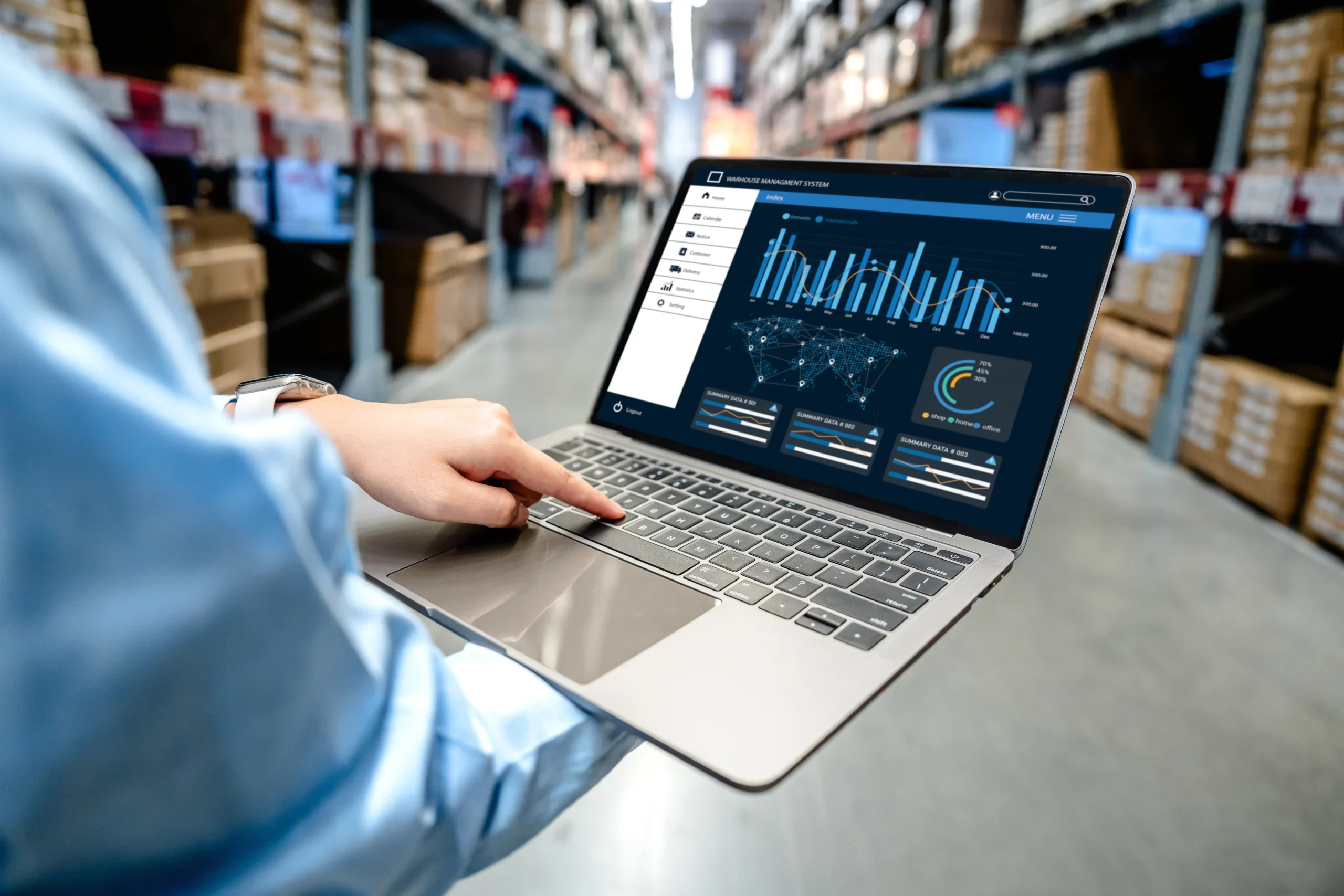
Customers remember their holiday experience. Late deliveries or incorrect orders can damage trust long after the season ends. On the other hand, smooth fulfillment builds loyalty and increases the chances that customers will return in the new year.

Reliable warehousing and distribution support plays a direct role in shaping that experience. It affects how quickly orders leave the facility, how accurately they arrive, and how confidently businesses can communicate delivery timelines.

Finishing the Year Strong With the Right Logistics Support

The holiday season is demanding, but it’s also an opportunity. When operations are aligned and warehousing is prepared, businesses can handle higher volumes without unnecessary stress. The goal is not just to survive peak season, but to finish the year strong and enter the next one with momentum.

At TEU Global, Warehousing and Distribution Services are designed to support businesses when demand is at its highest. By focusing on planning, visibility, and execution, we help clients stay in control even when timelines are tight and volumes are high.

When the holiday rush begins, success often depends on what’s already in place behind the scenes. A well-prepared warehouse, supported by the right logistics partner, can make all the difference.

READ MORE
AdobeStock_542108866
Cargo
December 10, 2025 By TEU Global Editorial Team

Why Importers Are Choosing TEU Global for Faster, Smarter Air Freight & Distribution—7 Real-World Reasons

If you work in international shipping, you already know that Air Freight has changed dramatically over the last few years. Faster transit times matter more than ever, and importers across the U.S. and Canada are looking for ways to make their supply chains more predictable. Many companies that once relied on a mix of vendors—one for Air Freight, another for warehousing, a third for final delivery—are now shifting toward a simpler, all-in-one model.

At TEU Global, we’ve seen this change up close. Importers are tired of juggling multiple points of contact, repeatedly explaining their requirements to different teams, and losing time every time a shipment gets stuck between vendors. This is exactly why more businesses now choose TEU Global to handle their Air Freight, storage, fulfillment, and last-mile delivery under one coordinated flow.

If you’ve watched our recent YouTube video on this topic, you probably noticed one thing: importers aren’t just looking for speed—they’re looking for control.

Here are seven practical reasons why companies are trusting TEU Global for Air Freight and end-to-end distribution.

1. Air Freight and Distribution Under One Roof

One of the biggest frustrations importers faces is managing separate vendors for Air Freight, warehousing, and local delivery. Whenever one party drops the ball, everything slows down.

TEU Global handles everything with a single operational system—your cargo lands clears, moves into one of our facilities, and gets delivered without hopping across different vendors.

Explore our services.

2. Faster Turnarounds After Cargo Lands

Air Freight is only truly “fast” if the ground handling is fast too. Some freight arrives on time but sits for days because the warehouse is delayed or the trucking partner doesn’t have capacity.

With TEU Global, cargo intake, processing, and outbound delivery all move within the same workflow. That means fewer idle hours and smoother planning.

Air Freight Cargo

Explore our Warehousing and Distribution Services.

3. Real-Time Visibility Without Extra Apps

Air Freight shipments are time-sensitive, so every importer wants real-time updates. But nobody wants another complicated app or password to manage.

TEU Global provides clean, straightforward tracking and live updates without making you jump across multiple dashboards.

It’s visibility without the headache.

4. Lower Total Costs Despite Using Air Freight

Air Freight itself is premium—but the surrounding costs don’t need to be. When importers split their supply chain across different vendors, they often end up paying more in:

  • Storage fees
  • Handling charges
  • Multiple trucking movements
  • Coordination delays

By integrating Air Freight with downstream distribution under TEU Global, many unnecessary expenses simply disappear.

5. Fewer Delays, Clearer Accountability

Anyone who imports by air knows how quickly things can go wrong when too many parties are involved: missed pickups, lost paperwork, late dispatches, or poor coordination.

TEU Global reduces these risks by keeping everything under one operational structure. Instead of three companies pointing fingers, you get one team that takes responsibility for the outcome.

6. Custom Programs for Retail Deliveries, DDP, and Express Handling

Air Freight often supports urgent restocks, retail orders, and customer-specific programs. These shipments usually come with tight deadlines or strict compliance rules.

TEU Global creates custom delivery programs for:

  • Retail distribution centers
  • DDP and DAP setups
  • Urgent B2B replenishments
  • High-value Air Freight cargo
  • Temperature-sensitive or fragile shipments

Because our team manages the cargo flow end-to-end, we can adjust quickly to your business cycles.

7. A Logistics Partner Who Understands Your Why

Honestly, Air Freight is not just about “fast shipping.” It’s about protecting your inventory cycle, avoiding stockouts, supporting marketing launches, and maintaining your customer promises.

That’s why TEU Global assigns a dedicated team that learns the rhythm of your business, your peak seasons, your release schedules, your warehouse constraints, and what matters most to your customers.

It’s a partnership, not a vendor relationship.

Here are two helpful external references for readers who want broader industry knowledge:

  • TSA Air Cargo Programs
  • U.S. DOT Freight Overview

Thinking About Streamlining Your Air Freight Operations?

If your Air Freight shipments feel too scattered or if delays happen simply because too many teams are involved TEU Global can help you simplify the entire workflow from the airport to the final customer.

You can also watch our related video on YouTube, where we explain how Air Freight integrates into our distribution model at TEU Global.

Whenever you’re ready to make your Air Freight flow smoother and more predictable, our team is right here to help you out.

READ MORE
end-to-end distribution
Logistics
November 21, 2025 By TEU Global Editorial Team

Why More Importers Are Choosing TEU Global for End-to-End Distribution — 7 Powerful Reasons

In today’s unpredictable logistics environment, importers across the U.S. and Canada are rethinking how they manage distribution. Instead of juggling multiple vendors for drayage, warehousing, fulfillment, and final delivery, more companies are choosing TEU Global for complete end-to-end distribution solutions that simplify operations and reduce costs.

Below are the seven biggest reasons why TEU Global has become the preferred partner for importers who need reliability, transparency, and smooth operations from port to final destination.

1. The Rising Need for True End-to-End Distribution

The logistics world has changed dramatically. Importers now face port congestion, fluctuating trucking capacity, rising warehouse fees, and fast customer delivery expectations. Managing separate providers for each step of the journey leads to delays, miscommunication, and added costs.

End-to-end distribution solves this problem by giving importers one partner, one process, and one flow of communication. TEU Global integrates all major logistics functions, creating a smoother, more predictable supply chain.

Many importers choose TEU Global because the company controls the entire process, not just pieces of it. That means fewer handoffs, fewer surprises, and far fewer costly errors.

2. TEU Global’s Fully Integrated Distribution Model

Instead of working with separate companies for port drayage, warehousing, and fulfillment, TEU Global provides a connected distribution system. This unified model eliminates inefficiencies that usually occur when different vendors depend on each other’s schedules.

What this integration means for importers:

  • Faster port-to-warehouse movement
  • Lower drayage and storage charges
  • Better warehouse appointment coordination
  • Fewer delays caused by miscommunication
  • Clear accountability from start to finish

When one logistics partner manages everything, cargo moves faster and operations run smoother.

3. Real-Time Visibility and Modern Tracking Tools

Visibility is no longer optional—it’s essential. Importers need to know exactly where their freight is, when it will be available, and what risks may impact delivery timelines.

TEU Global offers real-time tracking from port arrival to final delivery, supported by automated notifications and milestone updates. Importers gain:

  • Live container availability information
  • Real-time warehouse receiving data
  • Scannable SKU-level inventory tracking
  • Instant updates on outbound orders

This level of transparency empowers companies to plan inventory better, avoid stockouts, and reduce the need for excess safety stock.

4. Strategic Warehouse & Fulfillment Network

Placement matters. TEU Global operates in strategically located logistics hubs across the U.S. and Canada, allowing importers to keep costs low and speed up distribution.

Their warehouses handle:

  • Container destuffing
  • Transloading
  • Palletizing
  • Order fulfillment
  • Long-term and short-term storage

Because TEU Global coordinates drayage and warehouse scheduling internally, shipments don’t sit waiting for space or appointments. Everything moves according to a planned, efficient timeline.

Importers especially appreciate TEU Global’s accuracy-focused warehouse processes—every carton is scanned, verified, and tracked. This dramatically reduces inventory errors, backorders, and customer service issues.

end-to-end ditribution management

5. Customized Logistics Solutions for Every Industry

No two supply chains are identical. A furniture importer, for example, has very different needs compared to an e-commerce brand selling small parcels.

TEU Global customizes distribution solutions based on each importer’s product type, market, and customer expectations. Their teams analyze:

  • SKU size and handling requirements
  • Import volume
  • Seasonal peaks
  • Transit-time goals
  • Storage needs
  • Final delivery method

This flexibility helps importers scale faster, maintain predictable delivery speeds, and avoid the “one-size-fits-all” limitations of traditional freight forwarders.

6. Lower Costs Through Intelligent Supply Chain Optimization

Every importer knows how quickly small delays can turn into big expenses—detention, demurrage, storage overflow, missed appointments, and rushed deliveries all add up.

TEU Global reduces these costs by:

  • Minimizing vendor handoffs
  • Coordinating all stages internally
  • Reducing waiting time at ports and warehouses
  • Forecasting capacity needs in advance
  • Matching distribution plans with inventory cycles

The result is a supply chain that moves quickly and efficiently, without the hidden fees that plague most import operations.

7. Experience, Reliability, and a Client-First Approach

In logistics, experience matters. TEU Global brings years of hands-on expertise in international shipping, North American warehousing, transloading, and cross-border operations.

Importers consistently highlight TEU Global’s:

  • Fast communication
  • Proactive updates
  • Honest problem-solving
  • Long-term partnership mindset

The company comprises professional expertise with a personal, relationship-driven approach. When challenges arise—and they always do in logistics—TEU Global steps in early, communicates clearly, and finds solutions before issues grow.

This trust-based model is one of the main reasons importers stay with TEU Global for years, not months.

Conclusion: Why Importers Are Making the Switch

As global supply chains become more complicated, importers need simplicity—not more fragmentation. TEU Global delivers that simplicity through:

  • Full end-to-end distribution
  • Real-time visibility
  • Strategic warehouse networks
  • Customized solutions
  • Reliable, experienced teams

For companies looking to scale, improve delivery speed, reduce logistics costs, or gain better control over their supply chain, TEU Global has become the clear choice.

READ MORE
distribution management
Informational
November 18, 2025 By TEU Global Editorial Team

10 Ways TEU Global Transforms Supply Chains Through Smart Distribution Management

Rethinking Distribution Management

Distribution management is often misunderstood as just moving products from one warehouse to another. In reality, it’s an intricate dance—coordinating storage, inventory, transportation, and order fulfillment so everything flows seamlessly. Imagine a symphony where every instrument matters; that’s how a supply chain should operate.

At TEU Global, we treat distribution as a strategic advantage, not just logistics. By blending intelligent routing, automation, and live shipment tracking, we help businesses cut wasteful costs while keeping their operations smooth and reliable.

Why Efficient Distribution Management Matters More Than Ever

Customers today expect lightning-fast, accurate deliveries with full transparency. A single misstep, delayed shipment, or lost inventory can erode trust and hurt sales.

A well-oiled distribution network balances supply and demand, improves forecasting accuracy, and keeps costs predictable. With TEU Global’s deep logistics expertise, companies can build supply chains that are agile, resilient, and ready for sudden market swings without skipping a beat.

How TEU Global Elevates Distribution Efficiency

We combine practical logistics experience with cutting-edge technology. From selecting optimal warehouse locations to deploying automated inventory systems, our goal is one thing: flawless movement of goods.

Through strong partnerships with trusted carriers and advanced freight visibility tools, TEU Global ensures shipments arrive on time and within budget. The approach? Precision tempered with flexibility: a dependable framework for complex supply chains.

1. Centralized Warehouse Optimization

Why Centralization Wins

Consolidating warehouses strategically makes inventory management easier and reduces operational overhead. Fewer locations mean better oversight and faster workflows.

Benefits You’ll Notice:

  • Quicker order processing
  • Lower storage and handling costs
  • Smarter demand forecasting
  • Faster delivery cycles
distribution management centers across the world

With distribution centers across North America, TEU Global ensures products move efficiently while keeping transit times and costs low. Learn more about our Warehouse and Distribution Services.

2. Smarter Inventory Management

Real-Time Control

Modern systems provide live updates on stock, reducing errors and enabling rapid decision-making.

Avoiding Overstock and Stockouts

Predictive analytics help TEU Global forecast demand accurately. The result? Products are available exactly when needed, overstock is avoided, and cash flow remains healthy. Discover our inventory management services for smooth operations.

3. Transportation Management That Delivers

Optimizing Routes and Carriers

Transportation is the heartbeat of distribution. TEU Global’s Transportation Management System (TMS) picks the fastest, most cost-effective carriers and routes.

Flexible Intermodal Options

We integrate road, rail, and sea transport to offer delivery options that are both reliable and economical. Explore our transportation solutions for smarter logistics.

4. Technology at the Core

AI and IoT in Action

Emerging technologies like AI and IoT are revolutionizing supply chains. They enable predictive maintenance, route optimization, and real-time tracking for every shipment.

TEU Global’s Digital Edge

Our AI-driven analytics and digital platforms provide actionable insights and full visibility, helping businesses make confident decisions. Learn about our technology solutions for operational excellence.

5. Complete Supply Chain Visibility

Transparency Is Key

Full oversight allows businesses to anticipate delays, manage risks, and keep customers informed.

Tools That Help

Through GPS tracking and interactive dashboards, TEU Global monitors shipments from warehouse to last-mile delivery. Check our tracking solutions for total visibility.

6. Strategic Cost Savings

Lower Freight Costs

By analyzing routes and collaborating with carriers, TEU Global finds the most efficient, cost-effective shipping paths.

Data-Driven Decisions

Predictive analytics allow companies to forecast costs and adjust operations proactively. Discover our cost optimization services for leaner supply chains.

7. Sustainable Distribution Management Practices

Eco-Friendly Logistics

Sustainability is essential. Efficient routes, electric vehicles, and reduced emissions are all part of modern distribution.

TEU Global’s Green Approach

From optimized routing to recyclable packaging and eco-conscious carriers, we help clients meet environmental goals while staying cost-effective. Explore our sustainable logistics solutions.

8. Meeting Fast-Paced Delivery Expectations

Consumers Expect Speed

Same-day and next-day deliveries are becoming the norm. Distribution systems need to match this pace without errors.

E-Commerce Support

TEU Global assists online retailers in inventory management, rapid order processing, and reliable shipping across the U.S. and Canada.

9. Risk in Distribution Management

Preparing for Uncertainty

Supply chains face disruptions from natural disasters, strikes, and geopolitical events. TEU Global helps businesses anticipate and mitigate risks.

Analytics-Driven Mitigation

By analyzing trends and potential disruptions, we diversify transport options to maintain resilience.

10. Partnering with TEU Global

Why TEU Global Stands Out

Advanced technology, expert knowledge, and client-focused strategies make TEU Global a trusted partner.

Building Long-Term Relationships

We collaborate closely with clients to adapt strategies to market changes, creating supply chains that are not just functional but strategically optimized for growth.

FAQs

1. What is the main goal of distribution management?
Efficiently moving products from origin to consumer while maintaining quality and reducing costs.

2. How does technology improve distribution?
Automation, real-time tracking, and data-driven insights enable smarter decisions.

3. Why outsource to TEU Global?
Businesses can focus on growth while we handle complex logistics operations.

4. Logistics vs. Distribution what’s the difference?
Distribution focuses on delivering products; logistics includes procurement, storage, and transport.

5. How does sustainable distribution help?
Reduces emissions, energy use, and costs while boosting brand reputation.

6. Which industries benefit most?
Retail, e-commerce, manufacturing, pharmaceuticals, and food supply chains rely heavily on effective distribution.

Conclusion: Building Resilient Supply Chains with TEU Global

Distribution Management is the lifeblood of a strong jsupply chain. Done right, it reduces costs, increases efficiency, and ensures customers are happy.

At TEU Global, we combine technology, expertise, and sustainable practices to help businesses navigate challenges and grow confidently. For companies seeking faster, smarter, and more dependable supply chains, TEU Global isn’t just a logistics provider it’s a strategic partner for growth.

READ MORE
thanksgiving logistics planning
Informational
November 5, 2025 By TEU Global Editorial Team

Thanksgiving Rush: What Smart Retailers Are Doing to Stay Ready 

Every year, when November rolls in, the logistics world starts to hum a little louder. Warehouses that felt calm in October suddenly become a maze of pallets and forklifts. Phones start ringing more often. And everyone’s talking about one thing: Thanksgiving. 

At TEU Global, we’ve seen this season play out countless times, yet it still surprises people how fast it moves. The weeks leading up to Thanksgiving can make or break the quarter for many retailers. It’s not just another shipping season; it’s a real-world stress test for supply chains across the country. 

Let’s be honest: no matter how much you plan, the Thanksgiving period always finds a way to test your logistics. But with the right preparation and partners, you can turn the chaos into an advantage. 

Stay Ahead of Delays — Start with Smart Planning 

You’d be surprised how many companies start preparing for Thanksgiving when it’s already too late. By the time November hits, most carriers are full, rates have jumped, and flexibility has vanished. 

We once had a client who waited until the second week of November to secure truck space. Everything looked fine on paper until weather delays hit. Their shipments got pushed back by four days, and that small delay snowballed into store stockouts right before the holiday weekend. 

That’s why we encourage businesses to lock in their logistics plans early, ideally by mid-October. When you plan ahead, you not only save money, but you also buy yourself peace of mind. 

With our Freight Forwarding Services, we help clients analyze demand forecasts, secure reliable carrier capacity, and build contingency plans for unpredictable situations. Because let’s face it, surprises are inevitable, but being unprepared doesn’t have to be. 

Don’t Depend on One Shipping Method 

Another mistake we see often is relying too heavily on one transport option. Truckload shipping might be the go-to for most retailers, but when the market tightens, having a backup mode can save your season. 

Intermodal transportation is one of the best ways to add flexibility. By combining rail and truck, you can move large volumes efficiently while avoiding some of the capacity crunch on highways. It’s also a more sustainable choice, something customers care about more each year. 

Then there’s LTL (less-than-truckload) shipping. It’s perfect for smaller shipments heading to multiple stores or distribution centers. You only pay for the space you use, which keeps costs balanced during high-demand weeks. 

Through TEU Global’s intermodal and LTL options, many of our clients keep their freight moving even when the rest of the market slows down. Flexibility really is the name of the game during Thanksgiving. 

Stay Visible, Because You Can’t Fix What You Can’t See 

Ask anyone who’s managed a supply chain during the holidays, visibility is everything. When things are running smoothly, it’s easy to assume all is well. But during Thanksgiving, one missed update or unclear ETA can throw a wrench into the operation. 

That’s why TEU Global places a strong focus on real-time tracking and predictive visibility. It allows our clients to see where their shipments are, anticipate delays, and adjust routes before they become problems. 

We’ve seen cases where a single early alert saved thousands in last-minute rerouting costs. That’s the power of having visibility; it lets you act, not react. And in a time-sensitive season like Thanksgiving, that can mean everything. 

Communication: The Secret Ingredient in Logistics 

Every year, as we work through the Thanksgiving rush, one thing stands out: communication makes or breaks the process. It’s easy to focus on systems, tracking tools, and schedules, but at the end of the day, it’s the people who keep shipments moving. 

When teams stop communicating, small issues become big ones. A delayed driver, a warehouse mix-up, or a missed dock appointment can snowball fast. That’s why we stay in close touch with our partners throughout the season. 

At TEU Global, we don’t just move cargo; we stay connected. Our team keeps clients informed in real time, coordinates with carriers, and steps in early if something starts to slip off schedule. A few extra calls and updates might not seem like much, but they often make the difference between “delivered” and “delayed.” 

Think Beyond Thanksgiving 

Once Thanksgiving passes, the season doesn’t slow down — it accelerates. Black Friday, Cyber Monday, and holiday shopping bring another wave of demand. Retailers who only plan for Thanksgiving often find themselves scrambling again two weeks later. 

That’s why we always help our clients think ahead. If your strategy covers only one holiday, you’re missing the bigger picture. Building a continuous logistics plan that runs through December ensures your inventory stays balanced, your shipments stay on schedule, and your team doesn’t burn out halfway through peak season. 

From air freight for last-minute restocks to Ocean Freight Shipping for large-scale imports, TEU Global helps businesses stay prepared long after the turkey leftovers are gone. 

A Final Word: Gratitude and Good Logistics 

Thanksgiving reminds us all to pause and appreciate what’s working, and in logistics, that means being thankful for smooth deliveries, reliable partners, and teams that pull together under pressure. 

At TEU Global, we know how much effort goes into making the season successful. It’s long hours, constant coordination, and no small amount of stress. But when everything comes together and your customers get what they need, it’s worth it. 

This year, let’s make logistics the thing your business and your customers are thankful for. 

Because behind every Thanksgiving dinner, there’s a truck that arrived on time, a driver who pushed through the night, and a logistics team that made it all happen. 

READ MORE
Standard Shipping Truck
Logistics
October 30, 2025 By TEU Global Editorial Team

How Long Does Standard Shipping Take – The Complete Guide 2025

Standard Shipping: The Everyday Hero of Delivery

If you’ve ever ordered something online, say a pair of sneakers from Chicago or a tech gadget from Toronto, you’ve probably asked yourself, “How long is this going to take?” Standard shipping might not sound exciting, but it’s the unsung hero of global trade. It’s the affordable, dependable option most businesses and shoppers rely on daily.

So, how long does standard shipping take? Usually 3 to 7 business days within North America. But there’s a lot that happens behind those few days: routing, weather, customs, and a fair bit of waiting.

A Real Example: Chicago to Los Angeles

Let’s say a small clothing brand in Chicago ships a few packages every week to customers in Los Angeles. The transit time typically ranges from 4 to 5 business days.

But here’s the catch: if that same package leaves on a Friday afternoon, it won’t move again until Monday morning. Those “non-business days” are where most of the waiting happens. Businesses that plan ahead and ship early in the week often see faster, smoother deliveries.

Cross-Border Example: Toronto to Vancouver

Now imagine you’re running an eCommerce store out of Toronto, and you’ve got a customer in Vancouver. That’s roughly 2,000 miles across Canada. Standard shipping through Canada Post or Purolator typically takes 5 to 7 business days, depending on the route and volume.

Here’s where experience matters. Companies like TEU Global often advise clients to use regional fulfillment centers. So instead of sending every order across the country, you pre-position inventory in key locations like Toronto, Calgary, and Vancouver, cutting transit time by almost half.

Domestic Delivery Timelines: What to Expect

For most standard shipments in the U.S. and Canada, here’s the general breakdown:

Route TypeAverage TimeframeExample
Local/Regional1–3 business daysBoston → New York
Mid-Range3–5 business daysDallas → Denver
Long-Distance5–7 business daysMiami → Seattle
Cross-Border (US–Canada)5–10 business daysDetroit → Toronto

These times can shift slightly depending on weather, volume surges (think Black Friday), or carrier network capacity.

Two people getting ready to ship boxes with standard shipping

Why “Standard” Doesn’t Always Mean “Slow”

The term “standard” can be misleading. It doesn’t mean “slow”; it means “balanced.” Standard shipping finds that middle ground between speed and cost.

For example, TEU Global helps many U.S. importers who ship consumer goods from Los Angeles to warehouses in Ontario, Canada. By using a mix of intermodal routes—truck, rail, and ocean—they’ve reduced costs by up to 30% while keeping average delivery within five days.

It’s not about racing the clock; it’s about planning smartly.

What Affects Delivery Time?

Even the most well-planned shipment can run into delays. A few key factors make the biggest difference:

  1. Distance and Route Efficiency – The longer the trip, the more transfers involved.
  2. Weather – Snowstorms around the Great Lakes or fog near Vancouver can slow down routes.
  3. Customs – Cross-border shipments between the U.S. and Canada can face random inspections.
  4. Carrier Network – Some carriers have better reach in certain regions.
  5. Holiday Peaks – Late November to December always stretches delivery schedules.

At TEU Global, we always remind clients: small things like shipping a day earlier or double-checking paperwork can save multiple days in transit.

Tips to Make Standard Shipping Faster (Without Paying for Express)

You don’t need to pay premium rates to get efficient deliveries. A few simple strategies go a long way:

  • Ship early in the week. Packages that leave Monday or Tuesday avoid weekend delays.
  • Pre-label and pre-pack orders. The less handling, the faster the dispatch.
  • Partner with an experienced logistics team like us (TEU Global) that can optimize routing and customs documentation.
  • Communicate clearly with customers. Managing expectations builds trust, even if shipping takes a bit longer.

Standard vs. Express: The Honest Difference

FeatureStandard ShippingExpress Shipping
Delivery Speed3–7 business days1–2 business days
CostBudget-friendlyExpensive
TrackingOften includedAlways included
Ideal ForEveryday deliveriesUrgent or high-value items

Let’s be honest—unless it’s an emergency, most customers don’t need express. They just need reliable updates and predictable arrival dates. That’s where standard shipping shines.

Real-Life Lessons from the Field

Here’s one example straight from our experience. A home décor brand in Vancouver used to ship all its orders from one warehouse. Customers in Montreal complained about long delivery times—sometimes up to 10 days.

When TEU Global helped them open a small fulfillment hub in Toronto, their average delivery time dropped to four days. That simple operational tweak boosted their customer satisfaction rate by nearly 20%.

That’s the beauty of optimizing standard shipping it’s not just logistics; it’s strategy.

Common Questions About Standard Shipping

1. How long does standard shipping take within the U.S.?
Usually between 3 to 7 business days, depending on distance and carrier.

2. What about between Canada and the U.S.?
Cross-border deliveries often take 5 to 10 business days due to customs checks.

3. Can I track my standard shipments?
Yes, almost all carriers provide basic tracking, even for economy services.

4. Is it safe for valuable items?
Standard shipping is reliable for most goods, but high-value items should include insurance.

5. How can businesses improve standard shipping speed?
Work with a logistics partner like TEU Global to plan efficient routes and use fulfillment centers strategically.

Final Thoughts: Speed Isn’t Everything

So, how long does standard shipping take? Realistically, 3 to 7 business days within North America, and sometimes faster if planned right.

It’s not just about speed. It’s about reliability, cost-effectiveness, and customer trust. With the right logistics partner, even standard shipping can feel premium.

At TEU Global, we’ve helped countless brands across the U.S. and Canada streamline their deliveries, balance cost and time, and keep customers happy.

Because in logistics, the best service isn’t always the fastest; it’s the one that shows up right on time.

READ MORE
AdobeStock_1399686885
LogisticsInformational
October 9, 2025 By TEU Global Editorial Team

How Predictive Analytics in Supply Chain Is Reshaping Logistics

Predictive Analytics in Supply Chain is helping companies stay one step ahead. If you’ve worked in logistics long enough, you know one thing: the only constant is change. Weather, demand, labor shortages something’s always shifting.

This isn’t theory anymore. It’s what separates companies that react from those that anticipate.

What Predictive Analytics Really Means in Supply Chain

At its core, predictive analytics is just using data to see what’s coming. But in the supply chain world, it’s much bigger. It’s about forecasting demand, predicting delays, and fine-tuning routes before problems happen.

Think of it like having a GPS for your business decisions. It doesn’t remove uncertainty completely, but it makes you a lot better prepared for it.

That’s something TEU Global has fully embraced. Our team uses predictive data models across freight forwarding, intermodal transport, and warehousing to improve timing, costs, and reliability.

How Predictive Analytics in Supply Chain Forecasts Demand

If you’ve ever run out of stock during peak season, you know how costly bad forecasting can be. Predictive analytics helps spot demand surges by digging through years of sales and shipping data.

For instance, retailers might see that outdoor gear spikes every May in Texas or that snowblowers move fastest by late November in Chicago. That kind of insight helps plan storage and shipments well before orders pour in.

TEU Global’s warehousing and distribution service relies on this approach—balancing inventory levels without overstocking or leaving customers waiting.

Reducing Delays Before They Even Start

Delays are the enemy of every supply chain manager. Predictive analytics helps by connecting weather data, traffic updates, and port congestion reports. Let’s say heavy rain is forecasted near Houston. Instead of waiting for trouble, predictive models can reroute containers through a different port before the storm hits.

That’s how our Freight Forwarding Services stay on schedule. They blend real-time analytics with local experience, a combination that pure automation still can’t beat.

Smarter Warehousing Through Predictive Data

Walk into a modern warehouse today, and it’s nothing like the dusty aisles of the past. Predictive analytics in supply chain has made warehouses more dynamic. Instead of reacting to inventory shortages, teams already know which items will move fast next week.

TEU Global uses this data-driven model across its warehouse network to decide where to store products, how much space each item deserves, and when to prep for surges. You can read more about their methods in the warehousing and distribution section.

Customer Experience: Predict Before You Promise

Customers have grown impatient, and predictive analytics helps manage those expectations. When analytics forecast delivery times accurately, clients get updates they can trust.

Picture this: a customer in New Jersey is tracking their shipment and gets notified that weather in the Midwest might delay delivery by six hours. That kind of transparency builds trust, and it’s powered entirely by predictive systems.

TEU Global applies this approach to create reliability and openness at every touchpoint of the journey.

Predictive Analytics in Supply Chain During Disruptions

The last few years have taught us that supply chains can break fast. Predictive analytics helps see the cracks before they widen. When suppliers delay materials or ports back up, predictive tools flag those risks early, allowing companies to pivot.

For example, during the pandemic, some firms used predictive dashboards to forecast port closures weeks ahead of time. Those who acted early kept goods flowing while competitors were stuck waiting.

Through TEU’s distribution channel logistics, predictive analysis is used to balance supplier performance and reroute shipments when bottlenecks appear.

Sustainability Wins with Predictive Analytics

Predictive analytics isn’t just about speed it’s also about sustainability. By optimizing routes, fuel use, and delivery schedules, companies reduce emissions and save costs.

Supply Chain Digital reports that predictive-driven logistics networks can cut carbon emissions by up to 12%. TEU Global follows the same direction, using data to design smarter, greener operations that align with modern sustainability goals.

Challenges with Predictive Analytics in Supply Chain

Let’s be honest adopting predictive analytics isn’t easy. It needs clean data, skilled analysts, and a willingness to adapt. Many companies still rely on outdated systems that don’t talk to each other.

But the truth is, those challenges are short-term. Once systems are aligned, predictive analytics becomes a long-term competitive edge. And with partners like TEU Global, businesses don’t have to figure it out alone.

Predictive Analytics in Supply Chain Planning

The Future: Real-Time, Self-Adjusting Supply Chains

As technology advances, predictive analytics is merging with AI and IoT to create self-adjusting supply chains. Imagine trucks that reroute themselves, warehouses that reorder automatically, and systems that predict risks hours before they happen.

That’s where logistics is heading. TEU Global’s innovation roadmap already leans into this — using predictive tools that blend automation with real-world human judgment.

Conclusion

Predictive analytics in supply chain isn’t just a fancy phrase it’s the foundation of modern logistics. It allows companies to be smarter, faster, and more resilient. Whether it’s forecasting demand, preventing delays, or cutting carbon emissions, the data-driven mindset is shaping the future of freight.

And at the heart of it, companies like TEU Global are showing what happens when technology meets experience: you don’t just keep up; you move ahead.

FAQs

1. What is predictive analytics in supply chain used for?
It helps forecast demand, prevent disruptions, and improve delivery accuracy using data-driven models.

2. How does TEU Global use predictive analytics?
They apply it across freight forwarding, warehousing, and intermodal transport to boost efficiency and reliability.

3. Is predictive analytics expensive for small logistics firms?
Not as much as before. Many cloud-based tools now make it affordable for smaller operations to use predictive insights.

4. Can predictive analytics really prevent supply chain delays?
Yes, by identifying risks early and rerouting shipments in advance, it minimizes disruptions.

5. What’s next for predictive analytics in logistics?
Tighter integration with automation and IoT, creating supply chains that can self-correct in real time.

READ MORE
Distribution Channel
LogisticsInformational
October 1, 2025 By TEU Global Editorial Team

Distribution Channels in Logistics: How Products Around the World Move to Your Doorstep 

Think about the last time you ordered something online. Maybe it was a phone case from Amazon or a set of tools from Home Depot. You probably clicked “buy now” and expected it on your doorstep in two days. But behind that click is a massive system known as a Distribution Channel. It’s not just trucks and warehouses it’s the invisible path that gets goods from where they’re made to where you want them.

For companies like TEU Global, this path is what makes or breaks a supply chain. Done right, it feels effortless. Done wrong, and you end up with angry customers waiting weeks for a delivery.

What Exactly is a Distribution Channel?

A distribution channel is simply the road a product takes from maker to buyer. Sometimes it’s short—like a local bakery in Boston selling fresh bread straight from the oven to the customer. Other times, it’s a long road with stops along the way wholesalers, distributors, retailers before the product finally lands in a shopping cart at a Target in Chicago.

Diagram showing different types of distribution channel

Why It Matters in Logistics

Keeping the Supply Chain Moving

Distribution channels are the veins of logistics. Without them, products pile up in warehouses, customers wait too long, and businesses lose money. Walmart, for example, has one of the most advanced distribution systems in the U.S., with regional hubs feeding thousands of stores. That’s why no matter where you are, from Dallas to Denver, you’ll usually find stocked shelves.

Shaping Customer Experience

People today are spoiled by speed. Amazon’s two-day shipping changed the game. Now even small businesses are pressured to keep up. If you order sneakers online and they take three weeks to arrive, chances are you won’t order from that brand again.

Types of Distribution Channels

Direct Channels

Here, the company sells directly to the customer. Think Tesla. They skip dealerships and let you order your car online or in their showroom.

Indirect Channels

This one’s more old-school. Take Coca-Cola as an example. They don’t sell cans directly to you. Instead, they go through wholesalers, then to stores like Kroger or Safeway, before you grab one off the shelf.

Hybrid Channels

A mix of both worlds. Nike is a great case. You can buy directly from Nike.com or pick up a pair from Foot Locker.

The People Behind the Channels

  • Manufacturers – The creators, like Procter & Gamble, making household items.
  • Wholesalers – The bulk buyers who move goods down the line.
  • Distributors – Think of FedEx or UPS moving products for countless businesses.
  • Retailers – From Costco to Best Buy, they’re the storefronts where we shop.
  • Consumers – That’s us, hitting “add to cart.”

What Distribution Channels Actually Do

  • Move Products – From Amazon warehouses to your front porch.
  • Share Information – Retailers tell suppliers what’s hot and what’s not.
  • Provide Financing – Wholesalers buy in bulk, giving manufacturers quick cash.
  • Handle Risk – Distributors sit on inventory hoping it sells.

How Companies Choose a Channel

It depends on:

  • The Product – Fresh produce in California has to move quickly, often straight to grocery stores.
  • The Market – A small handmade candle shop in Vermont may sell directly, but a national brand needs layers of distribution.
  • Costs – Walmart’s model is built on cutting costs by controlling huge distribution centers.
  • Technology – Companies like TEU Global use data to plan the smartest routes.

Traditional vs. Modern Channels

  • Traditional – The brick-and-mortar setup. Goods move to wholesalers, then to retailers like Walgreens, and finally to you.
  • Modern – E-commerce platforms like Amazon and Shopify allow businesses to cut out middlemen and ship directly.

Technology’s Role

  • Automation – Companies use robots in warehouses to pick and pack faster.
  • Tracking – Companies let you track your package as it moves across the country.
  • Warehouse Software – Companies high-tech inventory systems prevent stockouts.

Smart Distribution Strategies

  • Just-in-Time – Auto plants in Detroit only bring in parts when needed to avoid storage costs.
  • Cross-Docking – Many Companies use this trick, moving goods directly from incoming trucks to outgoing ones.
  • Multi-Channel – Apple sells online, in Apple Stores, and through Verizon or AT&T.

Challenges Along the Way

  • Last-Mile Delivery – Dropping off a package in rural Montana is way more expensive than delivering ten in a New York apartment building.
  • Rising Transport Costs – Gas prices and labor shortages hit trucking companies hard.
  • Inventory Pains – Remember when Target had too much furniture stock after the pandemic demand shifted? That’s a channel issue.

A Real-Life Example

Take Kroger, one of the largest grocery chains in the U.S. Products flow from farms and factories into distribution centers in states like Ohio and Georgia. From there, trucks feed local stores so shelves stay stocked. If one step fails—say a trucking delay—you end up with empty dairy sections. Logistics partners like TEU Global make sure these disruptions are minimized.

Making Channels Sustainable

Greener Options

UPS has been rolling out electric vans in Los Angeles. Amazon is testing Rivian electric trucks. Route optimization software is also helping reduce wasted fuel.

Reverse Logistics

Returns are part of life now. Amazon alone processes millions every holiday season. Handling them efficiently is crucial for both sustainability and customer trust.

What’s Coming Next

  • Omnichannel Logistics – Target lets you shop online and pick up curbside. That blend of digital and physical is the future.
  • Blockchain Transparency – Walmart and IBM are piloting blockchain to trace lettuce from farm to shelf in seconds, reducing risks during recalls.

Conclusion

Distribution Channels are like the hidden highways of logistics. You don’t always see them, but they shape how quickly and reliably products reach us. From Amazon Prime deliveries in big cities to small businesses shipping handmade goods across the country, the strength of these channels defines customer satisfaction. TEU Global plays a vital role in designing and managing these systems so businesses can focus on growth while customers enjoy smooth experiences.

FAQs

1. What’s the simplest example of a distribution channel?
A local farmer’s market where growers sell directly to shoppers.

2. How do U.S. companies use indirect channels?
Coca-Cola sells through wholesalers and retailers like Walmart rather than directly to customers.

3. Why is last-mile delivery so expensive?
Because delivering a single package to a remote area cost far more than delivering many in a city.

4. How does technology improve distribution?
From Amazon’s warehouse robots to FedEx’s live tracking, technology speeds up and increases transparency.

5. What’s reverse logistics?
It’s the process of handling returns, repairs, or recycling. Amazon and Walmart do this on a massive scale.

READ MORE
final mile delivery
Logistics
September 24, 2025 By TEU Global Editorial Team

Final Mile Delivery: The Key to Customer Satisfaction in Modern Logistics

Introduction to Final Mile Delivery

When you order something online, maybe a pair of sneakers or a new laptop, there’s one part of the delivery process that really matters: the moment it shows up at your door. That last stretch, from the local distribution hub to your doorstep, is what’s called Final Mile Delivery.

It may seem like a small piece of the puzzle, but it’s the part customers remember. At TEU Global, we see it as more than logistics. It’s the difference between a satisfied customer and a frustrated one.

Why Final Mile Delivery Matters in Today’s Market

Consumer expectations have changed. Two-day shipping used to be impressive, but now people want same-day or even same-hour delivery. If a business can’t keep up, customers simply shop elsewhere. Final Mile Delivery isn’t just about moving boxes; it’s about building loyalty and trust with every delivery.

That’s why companies rely on integrated solutions like logistics services from TEU Global to bridge the gap between speed and reliability.

How Final Mile Delivery Differs from Other Logistics Stages

Think about the journey of a shipment. A container might cross the ocean on a massive vessel, travel by rail across states, and finally reach a local hub by truck. Those steps move goods in bulk.

But the final mile? That’s personal. It’s about one driver, one package, one customer. Delivering a box of electronics in downtown Chicago is very different from shipping pallets across the Pacific. That’s why TEU Global connects long-haul freight with efficient intermodal transportation and local delivery solutions.

The Growing Importance of E-commerce and Final Mile Delivery

E-commerce has exploded across the U.S., and with it, the demand for reliable last-mile service. Every “Buy Now” click creates a promise that must be fulfilled quickly. Millions of packages move daily, and companies that get Final Mile Delivery right are the ones keeping up with this new shopping reality.

Challenges in Final Mile Delivery

High Costs

The final mile is often the most expensive part of the journey. Labor, fuel, and vehicle maintenance can account for nearly half of total shipping costs.

Traffic Congestion

In cities like Los Angeles or New York, drivers spend hours battling traffic. That’s wasted time and money.

Customer Expectations

When customers are used to Amazon-level speed, anything slower feels unacceptable.

Missed Deliveries

We’ve all seen that frustrating “Sorry we missed you” note. One failed delivery means higher costs for the business and irritation for the customer.

Technology’s Role in Final Mile Delivery

Technology is changing how companies handle the final mile:

  • Route Optimization helps drivers avoid traffic and save fuel.
  • Real-Time Tracking lets customers see exactly where their package is.
  • Automated Alerts keep customers in the loop with texts and emails.
  • AI & Predictive Tools help businesses plan ahead and meet demand.

At TEU Global, we apply smart supply chain management tools to streamline this process for clients.

The Impact on Customer Experience

Here’s the truth: customers don’t see the warehouse or the shipping containers. They see the delivery driver. That moment at the door can make or break the entire shopping experience. A friendly, on-time driver builds trust. A late or careless delivery does the opposite.

This is why final mile delivery isn’t just logistics it’s customer service in action.

final mile delivery at doorstep

Sustainability in Final Mile Delivery

Sustainability is becoming a priority in logistics. Businesses are adopting:

  • Electric Vehicles to cut emissions
  • Eco-Friendly Packaging to reduce waste
  • Consolidated Routes to lower fuel use

At TEU Global, we help companies design greener, smarter supply chains that reduce costs while protecting the environment.

Outsourcing vs. In-House Delivery

Some businesses keep final mile delivery in-house, controlling the process end-to-end. Others outsource to third-party logistics providers. Both have pros and cons. Outsourcing can reduce costs, but in-house fleets often deliver better brand consistency.

Urban vs. Rural Final Mile Delivery

City deliveries come with traffic jams, tight parking, and crowded streets. Rural deliveries, on the other hand, involve long drives between stops, which raises costs. Each requires different strategies and resources.

Cutting Costs in Final Mile Delivery

Companies can lower expenses by:

  • Optimizing routes with technology
  • Using local courier partners
  • Offering locker or pickup point delivery
  • Streamlining warehousing

That’s where warehousing and distribution services from TEU Global come in, positioning goods closer to customers for faster, cheaper final mile operations

The Future of Final Mile Delivery

Look ahead and you’ll see delivery drones buzzing over neighborhoods and robots rolling down sidewalks in places like Austin or San Francisco. But while those technologies are exciting, the real progress today comes from smarter planning, greener vehicles, and customer-first strategies.

At TEU Global, we help businesses embrace innovations that are ready now, not just futuristic concepts.

Tips for Businesses

  1. Invest in real-time tracking and smart routing.
  2. Train drivers in customer service.
  3. Offer flexible delivery windows.
  4. Partner with local carriers when needed.
  5. Focus on sustainable solutions that appeal to eco-conscious buyers.

Conclusion

Final mile delivery is where promises are either kept or broken. It’s the moment that defines whether a customer comes back or looks for another option. By focusing on technology, sustainability, and customer service, businesses can turn the final mile into their biggest advantage.

At TEU Global, we help companies master this critical step in the supply chain, ensuring every delivery strengthens the customer relationship.

FAQs

1. What exactly is final mile delivery?
It’s the last step in the logistics chain from a local hub or warehouse to the customer’s door.

2. Why does it cost so much?
Because it involves individual stops, labor, and fuel, unlike bulk shipping methods.

3. Can small businesses benefit from strong final mile delivery?
Absolutely. Timely and reliable delivery helps small businesses compete with big players.

4. How do companies reduce missed deliveries?
With better tracking, real-time alerts, and flexible delivery slots.

5. What role will drones play?
They’re already being tested in U.S. cities and may soon handle short-distance, lightweight deliveries.

READ MORE
  • 1
  • 2
  • 3
  • 4
TEU Global

TEU Global is a 3PL company, with a top reliable global agent network. From freight forwarding and customs clearance to warehousing and purchase order management, we provide the best services with extra personal care.

Services

Ocean Freight Shipping

US Handling Agent

Canada Handling Agent

Freight Forwarding

Customs Clearance

Cargo Insurance

Drayage & Domestic Truck Delivery

Warehousing and Distribution

Purchase Order Management

Logistics Consultants

Customs Compliance Coaching

Branches

LOS ANGELES

Distribution & Dispatch facility

6860-B Sycamore Canyon Blvd
BLDG – B , Riverside, CA 92507

Email : Lax@teuinc.com
Phone : 310-740-9900


MIAMI

Distribution & Dispatch facility

5855 NW 159th St, Miami Lakes FL 33014
Email : Mia@teuinc.com
Phone : 305-851-7818


UAE

Office No: 2311, The Prime Tower Business Bay, Dubai
Email: Gulf@teuinc.com
Phone : +971-4-422-1046

Head Office

NEW JERSEY

242 Old New Brunswick Road,
Suite 145 Piscataway, NJ 08854 USA

Email : info@teuinc.com
Phone : 732-515-9040
Fax # : 732-856-5008
Toll free: 877-414-8381

TwitterFacebookInstagramYoutubeLinkedin

Copyright © 2015-2025. TEU Global – All Rights Reserved.

Privacy Policy | Terms & Conditions